How to Plan Inquiry-Based Environmental Science Across Canadian Ecozones: Field Studies and Climate Action
Canada contains some of the most ecologically critical, carbon-dense, and biodiverse ecosystems on Earth: the vast Boreal Forest biome holding a significant portion of global terrestrial carbon, 20% of the planet's surface freshwater across the Great Lakes and northern river basins, ancient temperate rainforests along the Pacific coast, fragile Arctic tundra under intense climate stress, and hyper-productive agricultural prairie grasslands.
Yet, environmental science in Canadian schools is too frequently taught through passive textbook abstractions. Students read about tropical rainforest destruction or polar bear extinction in distant regions, while remaining completely detached from the endangered wetlands, watershed pollutants, invasive species, and micro-climates existing within walking distance of their school playground. Furthermore, when climate change is taught strictly through doom-laden catastrophic narratives, students succumb to "eco-anxiety" and helplessness, rather than developing scientific inquiry agency, ecological literacy, and solution-focused civic resilience.
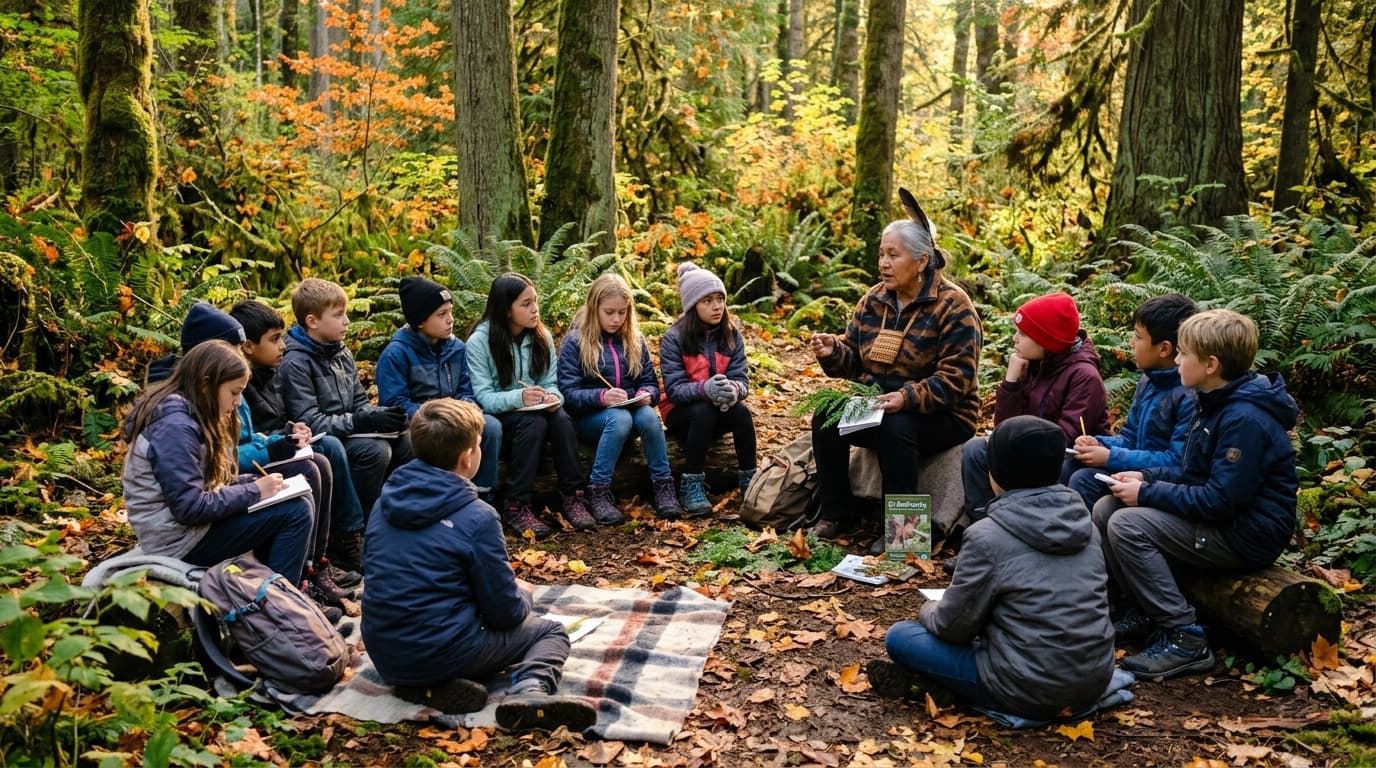
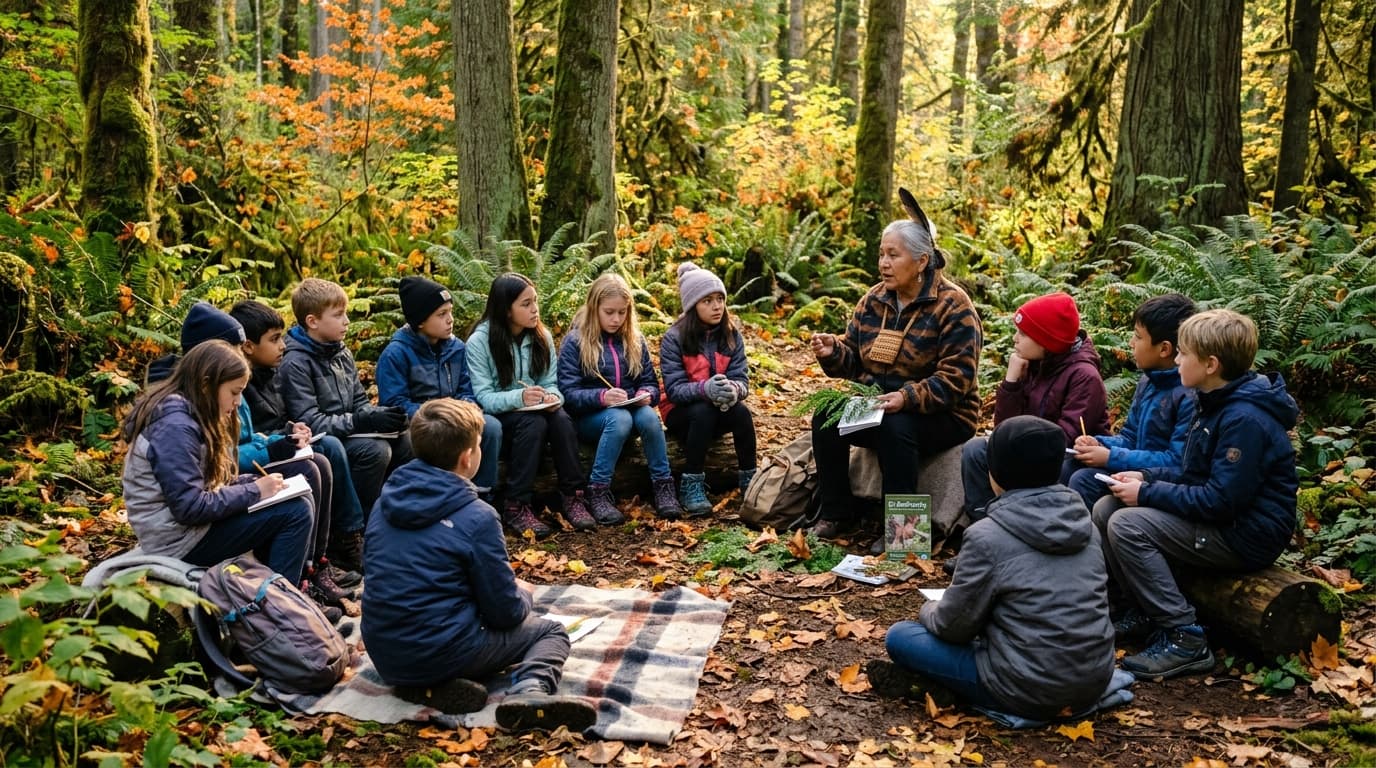
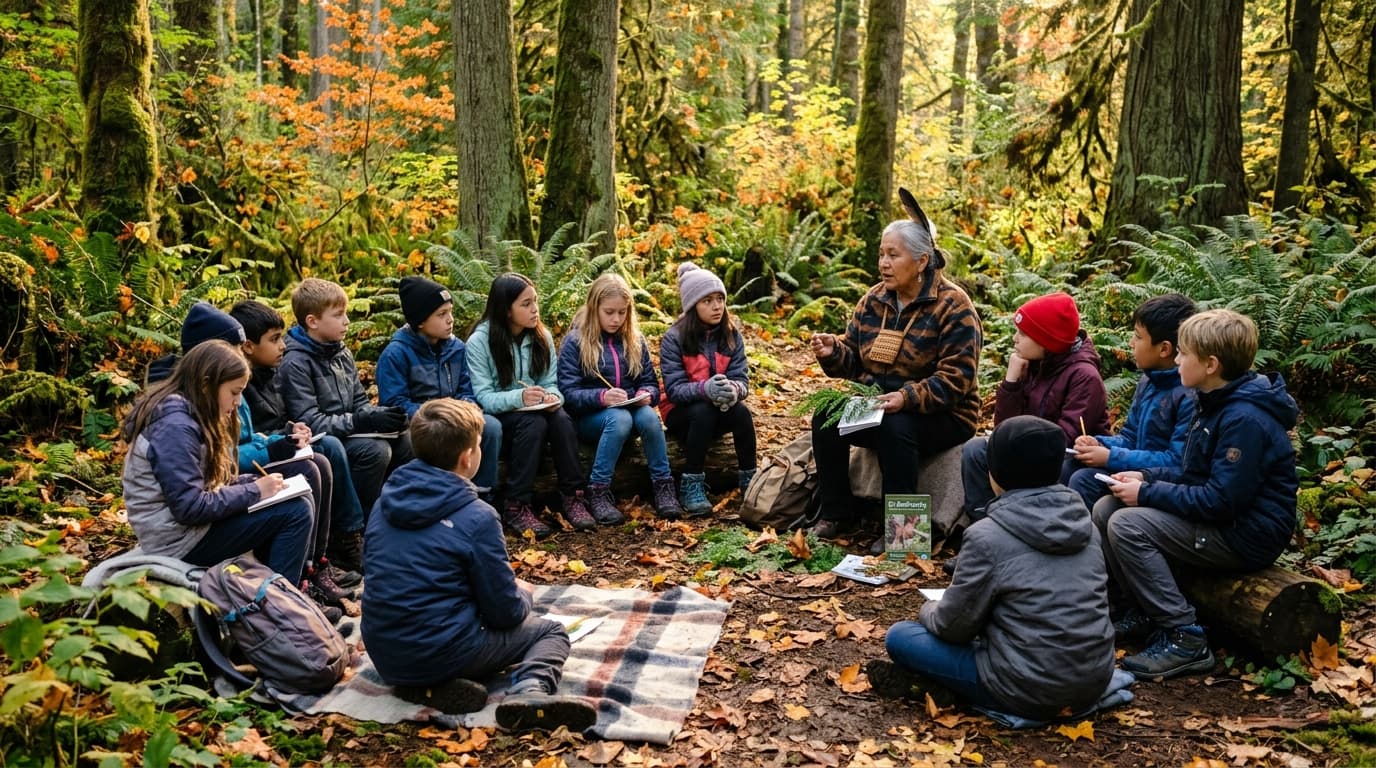
This comprehensive pedagogical masterclass equips Canadian elementary and secondary educators, science department heads, and environmental education leaders with an evidence-informed framework for orchestrating authentic, inquiry-driven environmental science studies grounded in Canada's 15 Terrestrial Ecozones, hands-on field investigations, Indigenous ecological perspectives, citizen science, and tangible community climate action.
1. The Disciplinary Framework: Canada's 15 Terrestrial Ecozones
To move beyond generic nature study, Canadian environmental science curricula—across Ontario, British Columbia, Alberta, and the Atlantic provinces—are grounded in the National Ecological Framework for Canada, which categorizes the country into 15 Terrestrial Ecozones:
| Ecozone Name | Distinctive Geography & Biome | Key Ecological Tensions & Human Impacts |
|---|---|---|
|
1. Boreal Shield
|
Spans 6 provinces; Canadian Shield granite rock, coniferous boreal,
|
Forestry, mining, hydro dams, acid rain, massive carbon sequestration, wildfire.
|
|
2. Mixedwood Plains
|
Southern Ontario / St. Lawrence; fertile soils, deciduous forests.
|
Most densely populated; severe habitat loss, urban sprawl, agricultural runoff.
|
|
3. Prairies
|
Southern AB, SK, MB; flat plains, semi-arid climate, rich soils.
|
Over 80% native grassland converted; loss of wetlands (sloughs), drought, drainage.
|
|
4. Pacific Maritime
|
Coastal BC; mountainous, temperate rainforests, fjords, mild wet.
|
Old-growth logging, salmon migration loss, ocean acidification, urban port growth.
|
|
5. Montane Cordillera
|
Interior BC and Western Alberta; rain shadow, interior plateaus.
|
Mountain pine beetle infestation, fire, ski resort development, mining tailings.
|
|
6. Northern & Southern Arctic
|
Arctic archipelago & mainland; tundra, permafrost, polar desert.
|
Permafrost thaw, sea ice collapse, coastal erosion, contaminant bioaccumulation.
|
|
7. Atlantic Maritime
|
Maritime provinces; coastal hills, mixed Acadian forests, bogs.
|
Commercial fishing shifts, coastal erosion sea-level rise, tidal ecosystem health.
|
|
8-15. Taiga & Northern Zones
|
Taiga Plains, Taiga Shield, Taiga Cordillera, Boreal Plains, Hudson Plains, Arctic Cordillera, Yukon.
|
Permafrost degradation, pipeline corridors caribou herd decline, peatland drainage.
|
The Ecozone Inquiry Lens
Instead of studying "biomes" as abstract global categories (e.g., "The Rainforest" in South America), anchor curriculum expectations within the student's home ecozone. Ask:
- What geological and climatic forces created our specific local soil and vegetation?
- What species are endemic to our ecozone, and how are their life cycles shifting due to climate change?
- How has human economic land-use (agriculture, urban subdivisions, forestry) disrupted natural nutrient and water cycles in this ecozone?
2. The 4-Phase Environmental Science Inquiry Cycle
Authentic scientific inquiry does not follow a recipe-like lab sheet where every student measures the exact same test tube to get an answer already printed in the teacher's guide. Environmental inquiry follows an iterative, investigative cycle:
Framing Powerful Testable Inquiry Questions
A weak inquiry question is purely descriptive and easily answered via a 10-second Google search ("What is the average rainfall in the Boreal Shield?"). A strong, testable scientific inquiry question demands empirical data collection, comparison, and reasoned argumentation:
| Ineffective Descriptive Question | Exemplary Empirical Scientific Inquiry Question | Core Scientific Concept |
|---|---|---|
|
"What animals live in our local pond?"
|
"Does the diversity of benthic macro-invertebrates differ between upstream agricultural runoff zones and downstream forested buffers?"
|
Biotic Index & Eutrophication
|
|
"Is climate change bad for trees?"
|
"How has the growth ring width and sap production of Sugar Maples in our local conservation area correlated with winter minimum temperatures over the last 30 years?"
|
Dendroclimatology & Phenology
|
|
"What is soil made of?"
|
"How does the compaction, moisture retention, and microbial respiration of schoolyard soil vary across grass fields, wooded canopies, and artificial turf zones?"
|
Soil Ecology & Carbon Storage
|
3. Hands-On Fieldwork Protocols: Equipment, Sampling, and Safety
Transforming a class of 30 students into an efficient ecological field research team requires explicit training in field sampling protocols and meticulous risk management.
Fieldwork Safety, First Aid, and Ticks
Conducting environmental fieldwork in Canadian ecosystems introduces specific biological hazards:
- Blacklegged (Deer) Ticks and Lyme Disease: In southern Ontario, Quebec, Nova Scotia, and BC, tick safety is mandatory. Students must wear light-coloured long trousers tucked securely into white socks. Perform a partner tick-check immediately upon exiting wooded or long-grass habitats.
- Hypothermia & Rapid Weather Shifts: Spring and autumn field studies can shift from sunshine to freezing rain within an hour. Mandatory warm layers, waterproof shells, and emergency space blankets in the teacher field bag.
- Poisonous Plants: Teach visual identification of Poison Ivy ("Leaves of three, let it be"), Stinging Nettle, and Giant Hogweed (sap causes severe phytophotodermatitis upon sunlight exposure; never touch!).
4. Two-Eyed Seeing: Braiding Indigenous Knowledge with Western Science
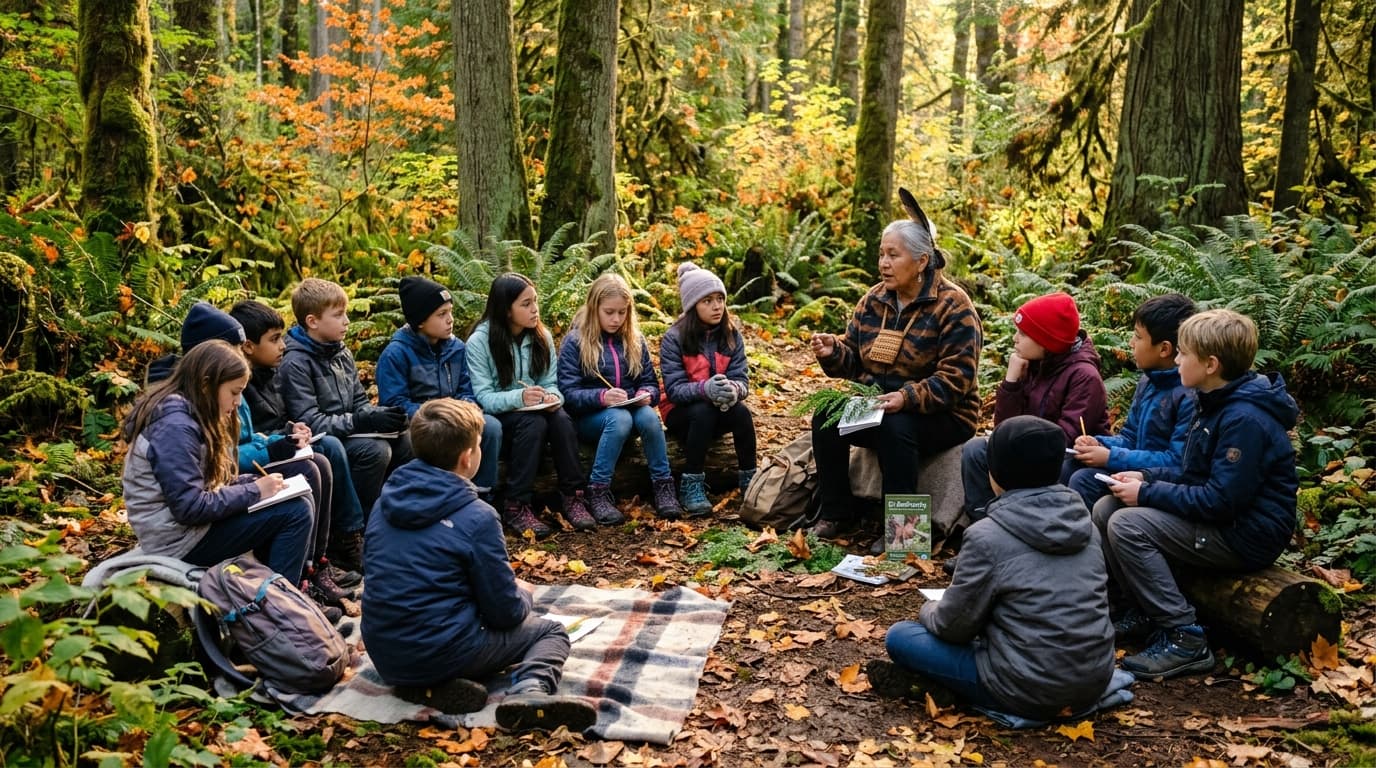
Environmental science in Canada is incomplete without honoring the sophisticated, empirical ecological knowledge developed by Indigenous nations over thousands of years.
Grounded in the Mi'kmaw principle of Etuaptmumk (Two-Eyed Seeing), pioneered by Elder Albert Marshall, educators must teach students to value Indigenous Ecological Knowledge (IEK) as an equal, rigorous partner to Western empirical science:
Lesson Planner
Generate comprehensive, CAPS-aligned lesson plans in seconds.
| Dimension | Western Scientific Approach | Indigenous Ecological Knowledge (IEK) |
|---|---|---|
|
Conceptual Stance
|
Water as chemical compound (H2O); abiotic resource for human utility
|
Water as a sacred living entity (Nibi); a relative carrying responsibilities.
|
|
Data Collection
|
Instrument sensor readings; discrete temporal snapshots.
|
Multi-generational oral history records of seasonal ice thickness, spawning cycles.
|
|
Ethics & Relational Responsibility
|
Regulatory limits of contaminants (parts per million thresholds).
|
The Seventh Generation Principle: Will our decisions protect water 150 years onward?
|
The Three Sisters Companion Planting Inquiry
In Grade 4-9 plant biology and agriculture units, investigate the Haudenosaunee and Anishinaabe agricultural science of the Three Sisters (Corn, Beans, and Squash):
- Corn: Provides a tall, structural trellis for climbing bean vines (Physics / Botany).
- Beans: Possess symbiotic Rhizobium root bacteria that fix atmospheric nitrogen gas ($N_2$) into soil-available ammonium/nitrates, naturally fertilizing the other crops (Chemistry / Soil Microbiology).
- Squash: Broad, prickly leaves spread across the soil surface, forming a living mulch that retains soil moisture and physically deters mammalian pests (Ecology / Pest Management).
Students compare soil nutrient levels, weed biomass, and moisture retention in experimental Three Sisters plots versus modern monoculture control beds.
5. Integrating Citizen Science: iNaturalist, BioBlitz, and Open Data
Environmental science should never remain confined within school fences. By integrating global and national Citizen Science Platforms, student fieldwork contributes directly to international peer-reviewed scientific datasets:
Hosting an Annual Schoolyard "BioBlitz"
A BioBlitz is an intense, collaborative 24-hour biological inventory of all living species within a defined boundary. Primary and secondary classes take turns surveying designated quadrants of the school grounds across different taxonomic groups: birds, vascular plants, pollinators, soil invertebrates, and fungi. The cumulative species count creates an ecological baseline for the school property that can be tracked across academic years.
6. Climate Action and Moving Beyond "Eco-Anxiety"
Research in adolescent psychology indicates that teaching climate change exclusively through planetary devastation triggers psychological numbness, depression, and denial.
To cultivate genuine resilience, environmental pedagogy must adhere to the Solutions-Oriented Framework: for every unit of ecological concern taught, students must spend double the instructional time designing, testing, and implementing actionable local solutions.
Four Concrete School-Based Ecological Climate Action Projects
- The Native Pollinator & Rain Garden Installation: Students replace a section of barren school turfgrass with deep-rooted native Canadian perennials (Milkweed, Purple Coneflower, Wild Bergamot). They calculate how many thousands of litres of stormwater runoff the garden absorbs from the storm sewer grid.
- Schoolyard Energy & Heat Island Audit: Using infrared thermal cameras, students measure surface temperatures across school asphalt, brick walls, and shaded tree canopies during sunny afternoons. They present a heat island mitigation proposal to the school board trustees requesting tree canopy expansion.
- Food Waste & Aerobic Composting Campaign: Students conduct a school-wide cafeteria food waste audit, measuring kilograms of organic matter sent to landfills. They build on-site vermicomposting (worm bin) systems, calculating the methane greenhouse gas emissions averted.
- Drafting Municipal Climate Policy Deputations: Upper intermediate and high school students formulate evidence-based policy briefs advocating for protected bike lanes, urban canopy preservation, or single-use plastic bans, presenting their findings before local municipal city councils.
7. Assessment of Scientific Inquiry: Rubrics and Fieldwork Evidence
Assessing environmental inquiry requires evaluating the student's ability to plan, investigate, analyze, and communicate scientific evidence, rather than memorizing species names for a multiple-choice test.
Environmental Inquiry Assessment Rubric (Grades 6-12)
| Assessment Strand | Level 2 (Developing Competence) | Level 4 (Exemplary Scientific Mastery) |
|---|---|---|
|
Experimental Design & Methodology
|
Designs field investigation with vague variables; sampling methodology lacks randomization.
|
Formulates precise, testable hypothesis; controls extraneous variables; plans robust randomized, replicated sampling protocols.
|
|
Empirical Fieldwork Execution
|
Collects data with gaps; needs prompting to calibrate sensors or maintain clean sampling tubes.
|
Executes field protocols safely and meticulously; calibrates digital probes; records anomalies and unexpected conditions
|
|
Data Analysis & Synthesis
|
Graphs data with basic labels; describes surface trends without connecting to ecological theory.
|
Constructs advanced graphs with error bars; calculates statistical means and rates; evaluates human impacts and biotic health.
|
|
Action & Ecological Agency
|
Proposes generic solutions (e.g., "tell people not to litter and recycle more plastic").
|
Designs targeted, feasible ecological remediation plans grounded in data; articulates systemic, policy-level remedies
|
8. Frequently Asked Questions (Canadian Science Teachers & Outdoor Leads)
What if our school is in an asphalt-heavy urban center with no forest nearby?
Urban ecosystems are vibrant ecological study sites! Pavements, brick walls, storm drains, and parking lot verges harbor resilient flora and fauna. Inquire into:
- The urban heat island effect comparing shaded courtyards to asphalt parking lots.
- Stormwater runoff contaminants gathered from the school roof downspout versus street drains.
- Lichen biodiversity on urban street trees as bio-indicators of atmospheric sulfur dioxide air pollution.
- Urban avian biodiversity comparing species adaptability (Pigeons and House Sparrows vs. native warblers).
How do we get funding for expensive water testing probes and sampling kits?
- TD Friends of the Environment Foundation (TD FEF): Outstanding Canadian grant program funding schoolyard greening and environmental education kits ($1,000 to $5,000+).
- WWF-Canada Living Planet Community Grants: Generous funding for youth biodiversity restoration projects.
- Local Conservation Authorities: Across Ontario, BC, and other provinces, municipal Conservation Authorities frequently lend complete environmental monitoring kits (turbidity tubes, D-nets, dissolved oxygen probes) to schools free of charge.
How do we manage digital tablets in wet, outdoor field conditions?
Equip tablets with heavy-duty rugged shockproof cases and clear waterproof ziplock bags (touchscreens function through thin polyethylene!). Assign rotating team roles: one student acts as the "Hands-on Sampler" (wet hands handling nets and water jars), while their partner acts as the "Dry Scribe" (dry hands operating the digital tablet to photograph specimens and enter data).