How to Manage Multi-Grade and Split Classrooms in Rural, Prairie, and Northern Canadian Schools
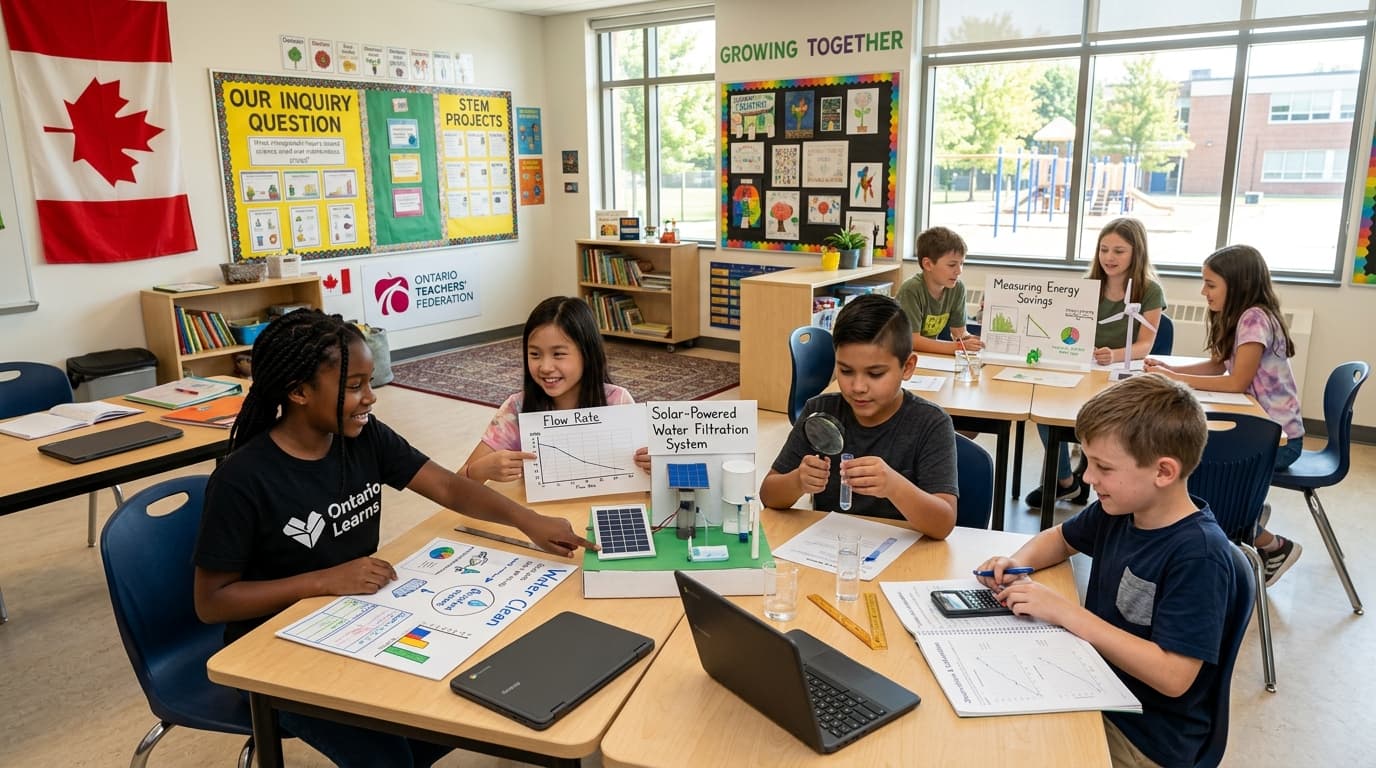
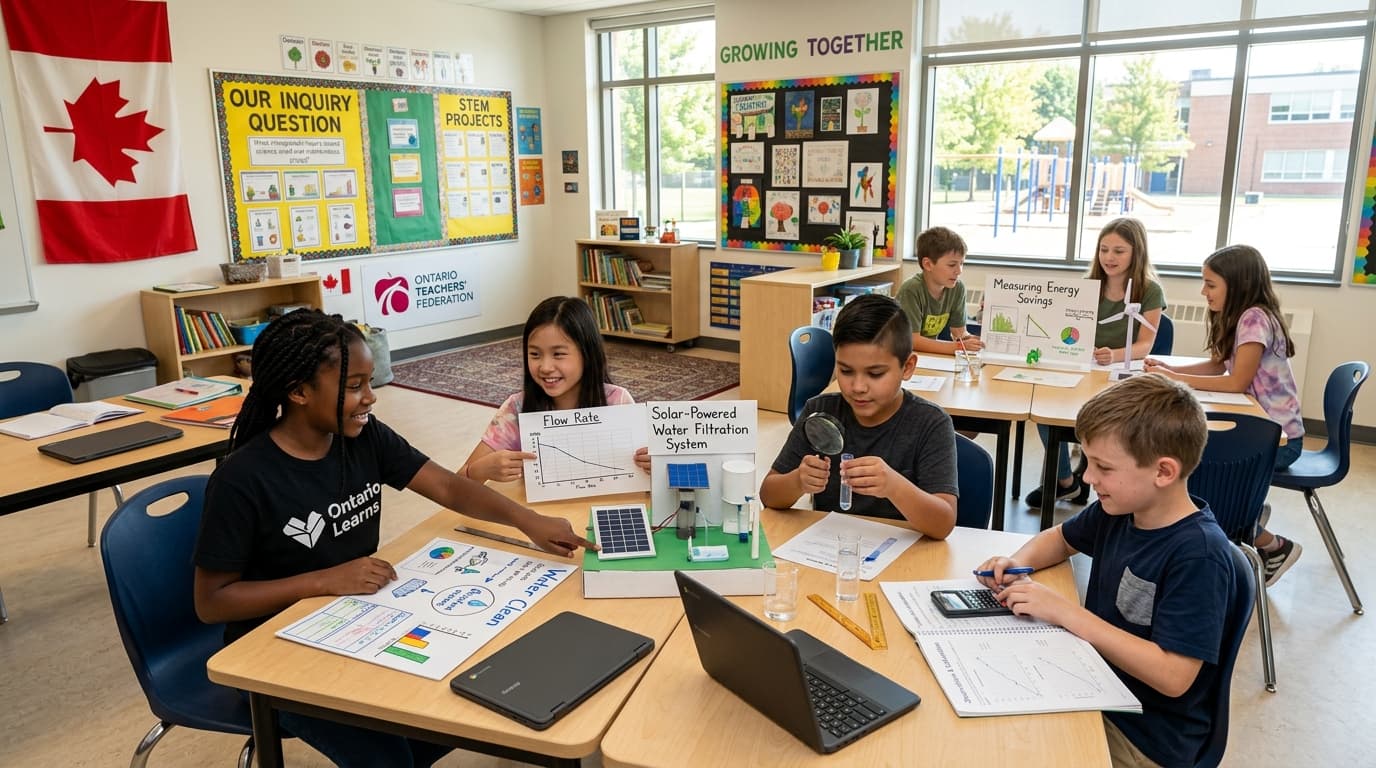
In urban Canadian centers, single-grade classrooms are the standard organizational model. But across the vast, geographically dispersed landscape of Canada—from agricultural communities in Saskatchewan and Manitoba to fly-in remote fly-in reserves in Northern Ontario and community schools across the Yukon, Northwest Territories, and Nunavut—the multi-grade classroom is the reality of public education. In many rural hamlets, a single teacher leads a room encompassing Grades 1 to 3, Grades 4 to 6, or in extreme frontier contexts, Kindergarten through Grade 8 under one roof.
For educators trained in urban university teacher education programs, stepping into a multi-grade classroom can trigger overwhelming instructional paralysis. The rookie teacher's instinctive panic is to attempt the impossible: delivering three or four entirely separate curricula simultaneously, desperately scrambling from one grade's desk cluster to another while students waiting for instruction become disengaged, disruptive, or stagnant.
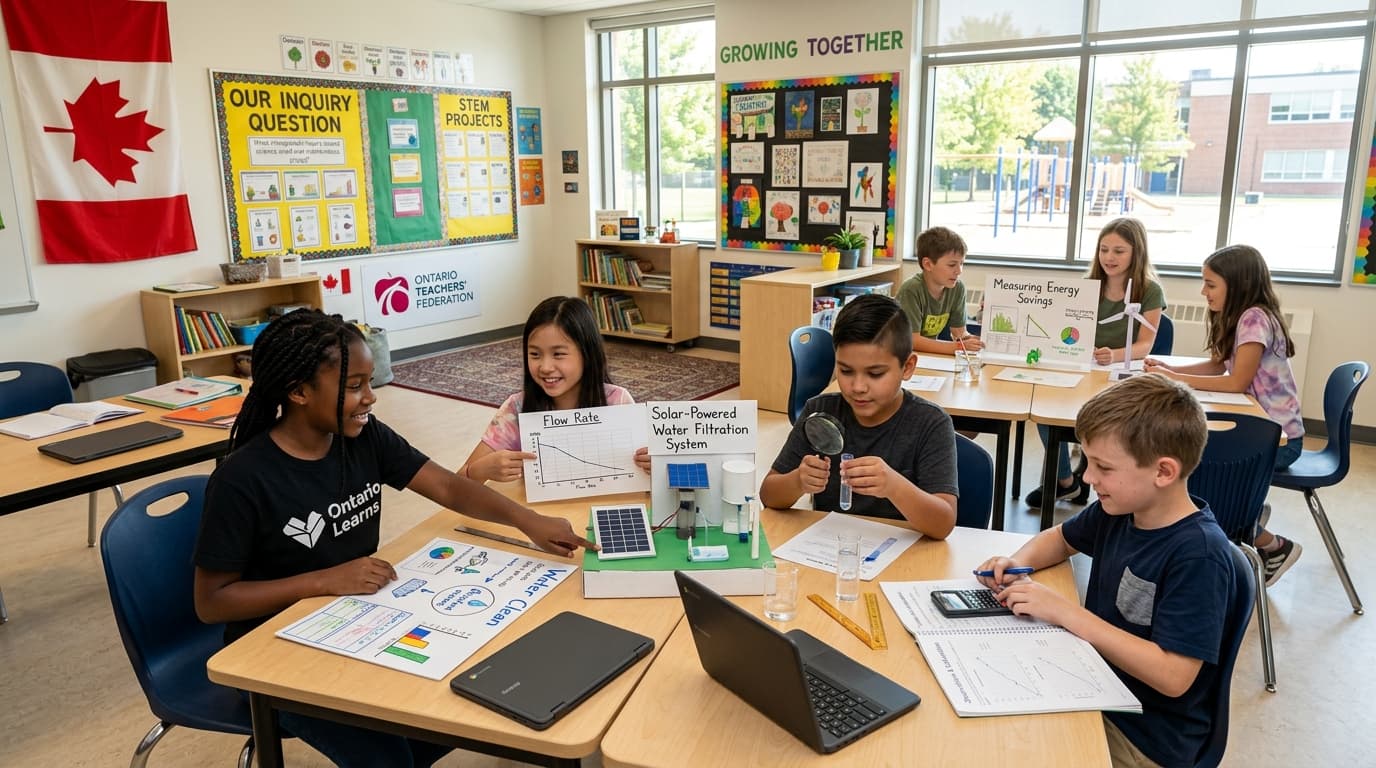
Yet, when orchestrated with intentional pedagogical frameworks, the multi-grade classroom is not a compromised educational deficit; it is a powerful educational advantage. Decades of Canadian and international rural educational research prove that multi-age environments foster extraordinary peer mentorship, natural differentiated learning, deep empathy, social self-regulation, and authentic community solidarity.
This comprehensive guide equips Canadian rural and northern educators with an evidence-informed pedagogical architecture for orchestrating high-functioning, calm, and academically rigorous multi-grade classrooms.
1. The Anatomy of Multi-Grade Classrooms in the Canadian Context
Multi-grade classrooms exist across Canada under several distinct organizational configurations, each presenting unique instructional dynamics:
| Configuration Type | Typical Structure & Grade Spans | Geographical & Demographic Context |
|---|---|---|
|
Split / Combined Grade
|
Two consecutive grade levels (e.g., Grade 3/4 or Grade 7/8).
|
Common in suburban and rural schools to balance staffing formulas and caps.
|
|
Multi-Grade Pods
|
Three to four grade levels (e.g., Grades 1-3 or Grades 4-6).
|
Prevalent in agricultural Prairie towns, coastal fishing outports, and northern hub
|
|
Frontier / One-Room School Model
|
Broad span: Kindergarten through Grade 6 or Grade 8 in one room.
|
Remote fly-in First Nations, Arctic camps, and isolated resource extraction towns.
|
The "Multiple Prep Trap": What NEVER to Do
The fatal mistake in a multi-grade classroom is treating the room as if it were three separate classrooms physically crammed into one space. A teacher who attempts to teach Grade 4 math from 9:00 to 9:30, Grade 5 math from 9:30 to 10:00, and Grade 6 math from 10:00 to 10:30 will burn out within four weeks. In that model, each student receives only 30 minutes of direct teacher attention and spends 60 minutes doing isolated busywork.
Instead, the master multi-grade educator implements Integrated Thematic Instruction, Differentiated Workshop Models, and Multi-Year Curricular Rotations.
2. Curricular Design Strategies: Thematic Weaving and Spiral Rotations
Managing provincial curricular expectations across multiple grade levels requires sophisticated curriculum mapping. Two primary structural strategies make multi-grade teaching manageable and rigorous:
Strategy 1: The Multi-Year Curricular Rotation (Year A / Year B Model)
In foundation subjects where knowledge is conceptual rather than strictly linear (Social Studies, Science, Health, and Visual Arts), adopt a Multi-Year Rotation.
- In a combined Grade 4/5/6 classroom, rather than teaching three separate science units simultaneously, the entire room studies the same broad discipline simultaneously, rotating content over a three-year cycle:
- Year 1: Earth and Space Science (all students explore geology, weather, and space).
- Year 2: Life Systems and Ecology (all students explore biodiversity, habitats, and human body).
- Year 3: Matter and Energy (all students explore electricity, simple machines, and flight).
- The Equity Guarantee: Over their three years in the pod, every student covers 100% of the provincial curriculum requirements without the teacher ever managing three simultaneous science units.
Strategy 2: The Parallel Concept Model (Mathematics & Literacy)
In linear, skill-building disciplines such as Mathematics, curriculum rotation is impossible (a Grade 1 child cannot skip directly to Grade 3 multi-digit multiplication). In these subjects, use the Parallel Concept Model:
- All grades study the same overarching mathematical domain at the same time, differentiated by numeric complexity:
| Grade Level | Concrete Entry & Scaffolds | Mathematical Learning Target |
|---|---|---|
|
Grade 2 Focus
|
Ten frames, unifix cubes, open number lines.
|
Addition within 100 using friendly numbers and decomposing by place value.
|
|
Grade 3 Focus
|
Base ten blocks, place value charts, mental math decomposition.
|
Addition within 1,000 using standard and mental strategies with regrouping.
|
|
Grade 4 Focus
|
Multi-digit place value mats, financial money models.
|
Addition within 10,000 and introduction of decimal currency addition (tenths/hundredt
|
The whole class gathers on the carpet for a single, engaging 10-minute Whole-Class Number Talk (e.g., decomposing the number 48). Then, students transition to grade-specific differentiated workshops.
3. The Multi-Grade Workshop Model: Daily Instructional Flow
The operational engine of a high-functioning multi-grade room is the Rotational Workshop Framework. The classroom functions like a well-oiled engine where one cohort works directly with the teacher in guided instruction, while other cohorts engage in collaborative peer tasks or independent learning:
| Rotation Time | GROUP A (Grade 1s) | GROUP B (Grade 2s) | GROUP C (Grade 3s) |
|---|---|---|---|
|
09:00 - 09:15
|
WHOLE-CLASS MINILESSON:
|
nteractive Read-Aloud & M
|
ntor Text Provocation
|
|
09:15 - 09:40 (Rotation 1)
|
TIER 1: GUIDED LESSON Direct instruction with TEACHER at small table.
|
TIER 2: COLLABORATIVE Math games, manipulative & partner problem-solve.
|
TIER 3: INDEPENDENT | Digital practice, skill consolidation, journaling.
|
|
09:40 - 10:05 (Rotation 2)
|
TIER 3: INDEPENDENT Phonics games, tactile play-dough letter trays.
|
TIER 1: GUIDED LESSON Direct instruction with TEACHER at small table.
|
TIER 2: COLLABORATIVE Problem-solving task cards at whiteboard walls.
|
|
10:05 - 10:30 (Rotation 3)
|
TIER 2: COLLABORATIVE Buddy reading with decodable partner texts.
|
TIER 3: INDEPENDENT Written response and leveled workbook tasks.
|
TIER 1: GUIDED LESSON Direct instruction with TEACHER at small table.
|
|
10:30 - 10:45
|
WHOLE-CLASS SYNTHESIS: R
|
flection Circle & Celebra
|
ion of Learning
|
Notice that during every 25-minute block, the teacher is exclusively focused on ONE small group of 6-8 students. The teacher never has to talk over 25 children across three grade levels simultaneously.
Lesson Planner
Generate comprehensive, CAPS-aligned lesson plans in seconds.
4. Classroom Management: Building Independent Learning Systems
A multi-grade classroom instantly collapses if students constantly interrupt the teacher during small-group guided instruction with questions like: "Teacher, my pencil broke," "What do I do next?" or "Can I go to the bathroom?"
The teacher must establish rigorous, bulletproof systems of student autonomy.
The 4 Pillars of Multi-Grade Student Independence
5. Harnessing Peer Mentorship and Multi-Age Social Dynamics
The single greatest educational asset in a multi-grade classroom is peer mentorship. In a single-grade classroom, children are artificially segregated by birth year, creating competitive peer comparison. In a multi-grade classroom, human diversity is organic and visible.
Structuring Cross-Grade Mentorship Rituals
- Reading Buddies Across the Desk: Pair older students with younger students as daily reading coaches. The Grade 3 student listens to the Grade 1 student decode phonics books; then the Grade 3 student models fluent expressive reading from a rich chapter novel.
- The Benefit: The younger student receives 1-on-1 reading practice every single day; the older student reinforces their own reading prosody, patience, and social empathy.
- The "Expert of the Day": Designate specific older students as subject experts. If a Grade 2 student is stuck on a computer login or science measurement, they visit the designated Grade 4 "Lab Assistant" rather than the teacher.
- Normalizing Diverse Trajectories: In a multi-grade room, a Grade 3 student who struggles with reading can comfortably read a Grade 2 level text without playground stigma, because students across all three grades are reading texts at varied levels simultaneously.
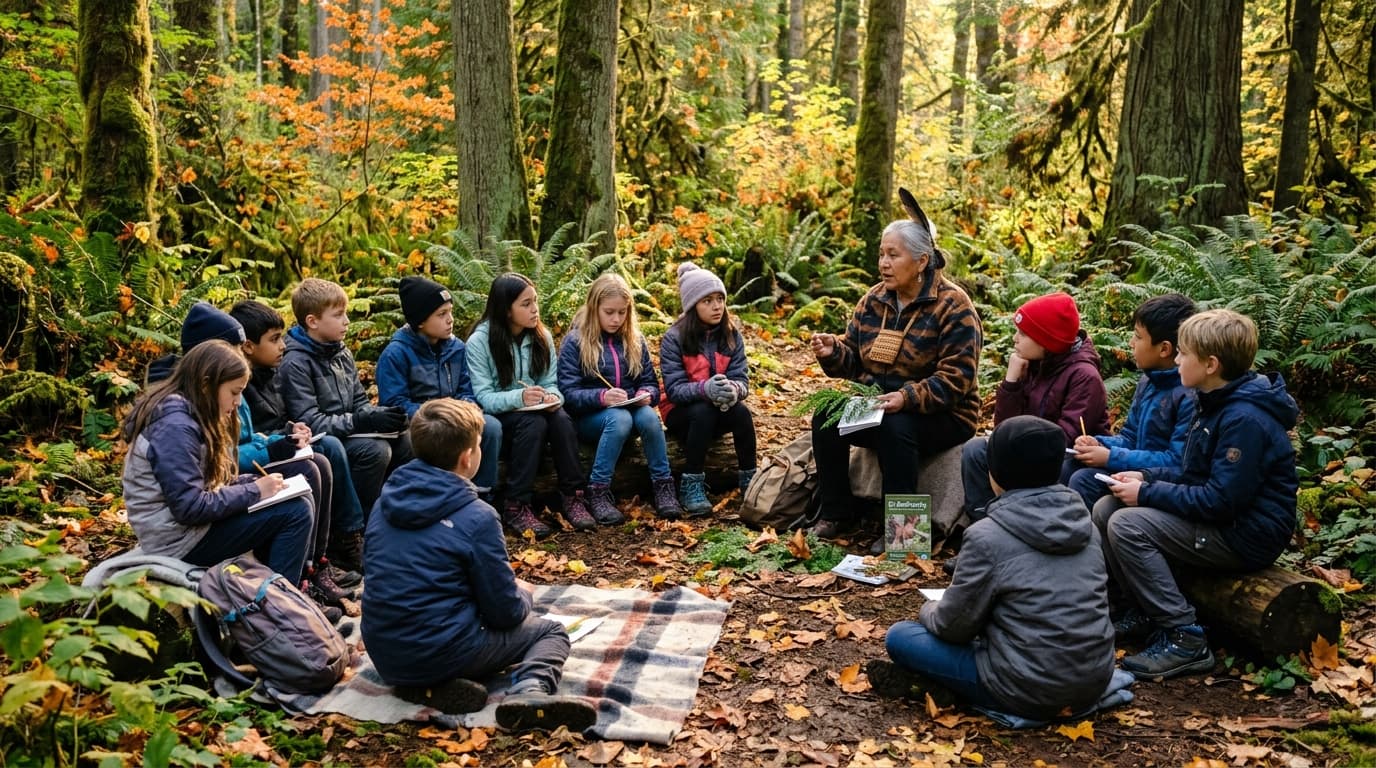
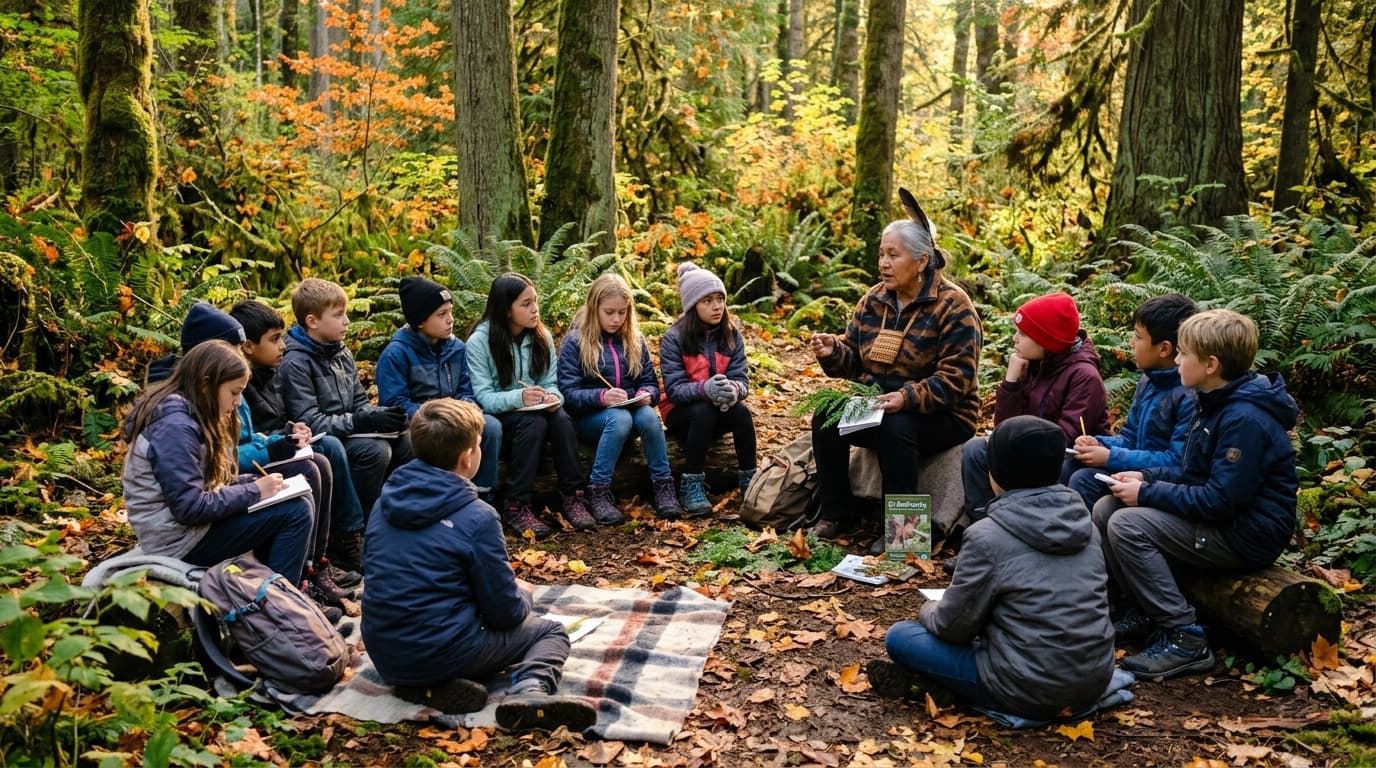
6. Land-Based and Place-Conscious Pedagogy in Rural Communities
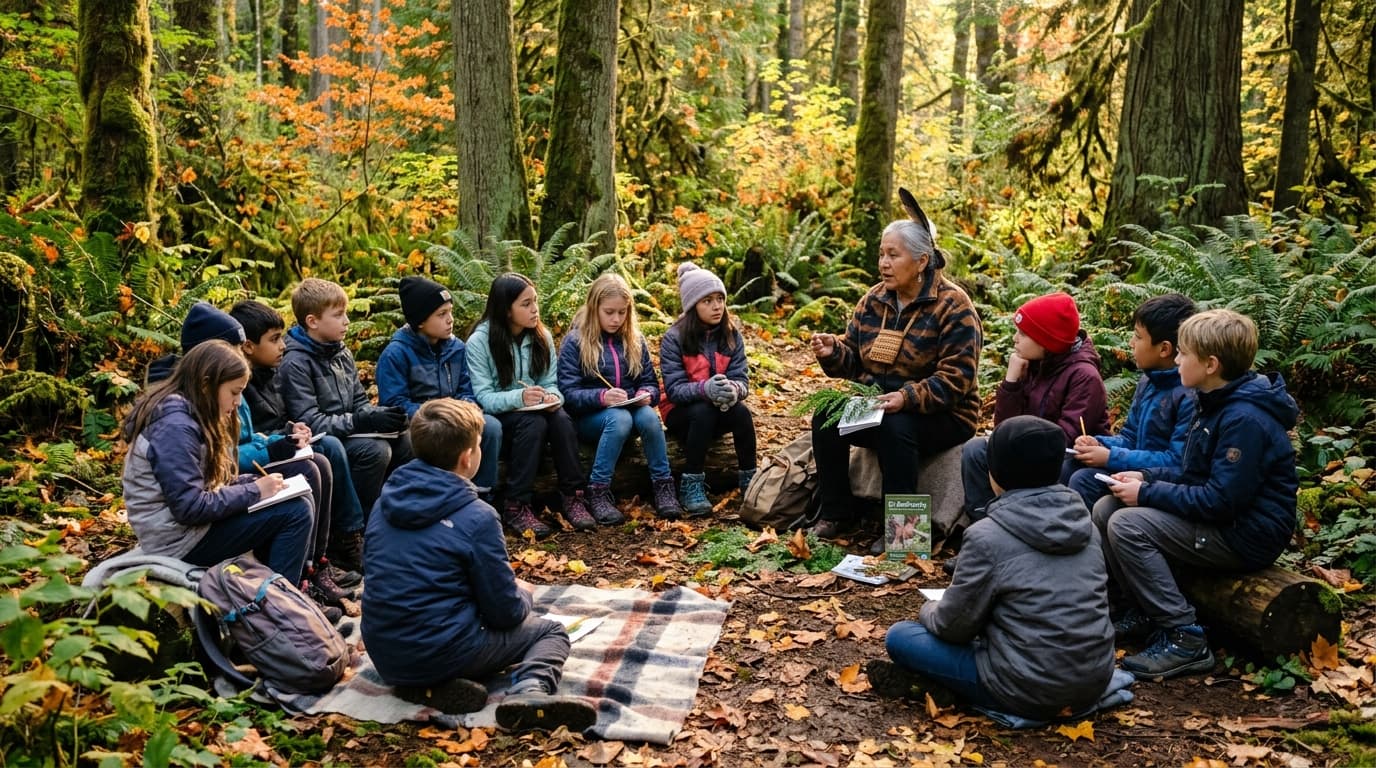
Rural and Northern Canadian communities possess unmatched cultural, historical, and ecological riches. Education in rural schools should never attempt to copy urban curricula; it should be unapologetically place-conscious.
Place-conscious education (championed by rural scholars like Paul Theobald and David Sobel) uses the local community, environment, and economy as the primary curriculum driver:
| Geographical Zone | Integrated Multi-Grade Inquiry | Cross-Curricular Learning Integrations |
|---|---|---|
|
Prairie Grain Belt (SK / MB / AB)
|
"The Science and Economics of the Family Farm"
|
- Math: Calculating harvest yields, bushel weights, and diesel fuel expenses. - Science: Soil agronomy, nitrogen cycles. - Social Studies: History of railway grain elevators and immigrant homesteaders.
|
|
Northern Boreal / Arctic Communities (Yukon / NWT / NU)
|
"Traditional Trapping, Tracking, and Winter Survival"
|
- Science: Boreal mammal adaptations and thermodynamics of traditional clothing. - Indigenous Knowledge: Traditional hide tanning, animal anatomy with local Elder - Math: Calculating solar angles in winter
|
|
Coastal Outports (NL / NS / BC)
|
"The Ocean Economy and Marine Ecosystem Sustainability"
|
- Science: Ocean salinity, tidal shifts. - Social Studies: Cod moratorium / salmon fishery treaties and community impact.
|
When multi-grade students step outside to test local river water quality, tap sugar maples, interview community elders at the local legion, or survey farmers at the grain elevator, the artificial divide between school and life dissolves.
7. Assessment and Reporting in Multi-Grade Classrooms
Assessing three or four grade levels in one room can trigger administrative paperwork exhaustion unless streamlined.
Strategies for Streamlined Multi-Grade Assessment
- Curriculum Mapping by Expectation Codes: Maintain a single digital tracking grid for your multi-grade cohort. Highlight common curricular expectations that overlap across grades (e.g., in writing: organizing ideas into coherent paragraphs). Assess the core skill using a single holistic rubric with differentiated grade-level complexity benchmarks.
- Triangulation of Evidence Over Paper Tests: In multi-grade rooms, written testing creates scheduling gridlock. Rely heavily on Observations and Conversations:
- While Grade 1s are writing, sit with three Grade 2s for a 5-minute math conversation to assess place value understanding. Record notes instantly in your tracker.
- Student Learning Portfolios: Transition to digital learning portfolios (e.g., Spaces, MyBlueprint, FreshGrade). Have students photograph their learning artifacts, record voiceover reflections explaining their problem-solving, and tag their own grade-level goals.
8. Managing Isolation, Wellness, and Professional Development in Remote Schools
Teaching in a remote rural or northern school presents profound personal and professional challenges: geographic isolation, extreme winter weather (-40°C temperatures and weeks of darkness), limited specialist resources (speech pathologists, psychologists), and the experience of living under the "community fishbowl" where the teacher is recognized by everyone in the grocery store.
The 4 Habits of Sustainable Rural Teacher Longevity
9. Frequently Asked Questions (Rural Educators & Principals)
How do I handle a student who is working multiple grade levels behind or ahead?
The multi-grade classroom is the ultimate natural home for differentiated learning! If a Grade 4 student is struggling with foundational subtraction, discreetly place them in the Grade 2 guided math rotation without shame. Conversely, if a Grade 2 prodigy is ready for fractions, slide them into the Grade 4 inquiry group. Grouping is fluid, flexible, and based on current instructional need rather than birth date.
How do I prepare multi-grade students for provincial standardized tests (e.g., EQAO in Ontario, PATs in Alberta)?
Because multi-grade instruction emphasizes deep conceptual understanding, self-regulation, and independent inquiry, multi-grade students frequently outperform single-grade peers on standardized measures. In the 3 weeks preceding testing, run targeted 15-minute test-format familiarization sessions with the specific grade cohort being tested (e.g., Grade 3 or Grade 6) to practice multiple-choice mechanics and timed conditions.
What should I do if parents object to their child being placed in a split class?
Parents often worry that their child in the lower grade will be ignored, or that their child in the upper grade will be held back. Reassure parents with evidence:
- Point out that all students receive targeted, small-group guided instruction daily.
- Highlight the extraordinary leadership and self-regulation skills fostered in multi-age environments.
- Remind parents that research shows zero academic penalty and substantial social-emotional gains for children in combined classrooms.