How to Embed Trauma-Informed and Restorative Practices in Canadian Schools: Safe Schools and Relational Discipline
Over the past two decades, Canadian educational systems have undergone a profound philosophical re-evaluation of school discipline and student behaviour. Following the repeal of draconian, zero-tolerance policies—such as Ontario's historic Safe Schools Act amendments in 2008 and modernized child-welfare legislation across British Columbia, Alberta, and Manitoba—the evidence has become undeniable: punitive suspensions, expulsions, and public humiliation do not teach prosocial behaviour. Instead, they disproportionately push Indigenous students, Black students, racialized youth, and children with complex trauma into the school-to-prison pipeline, escalating alienation and recidivism.
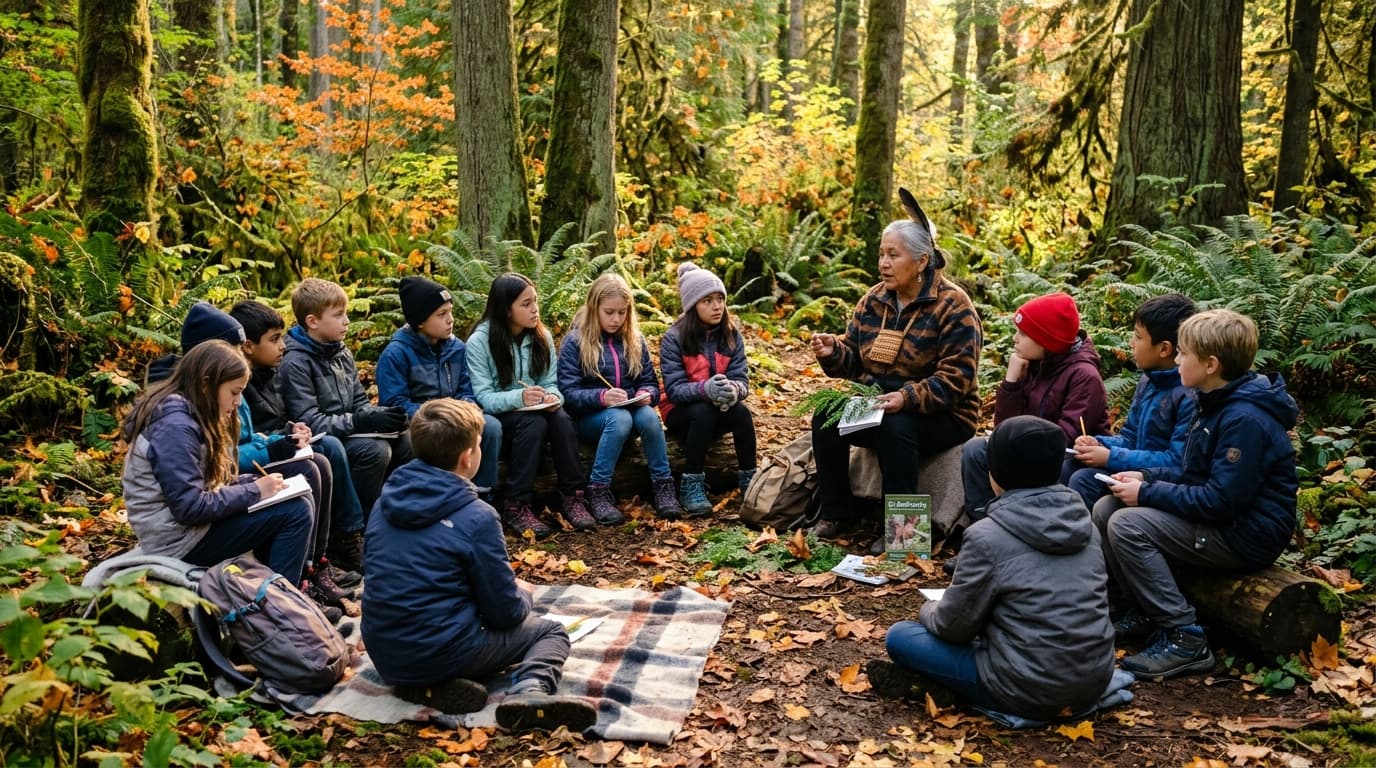
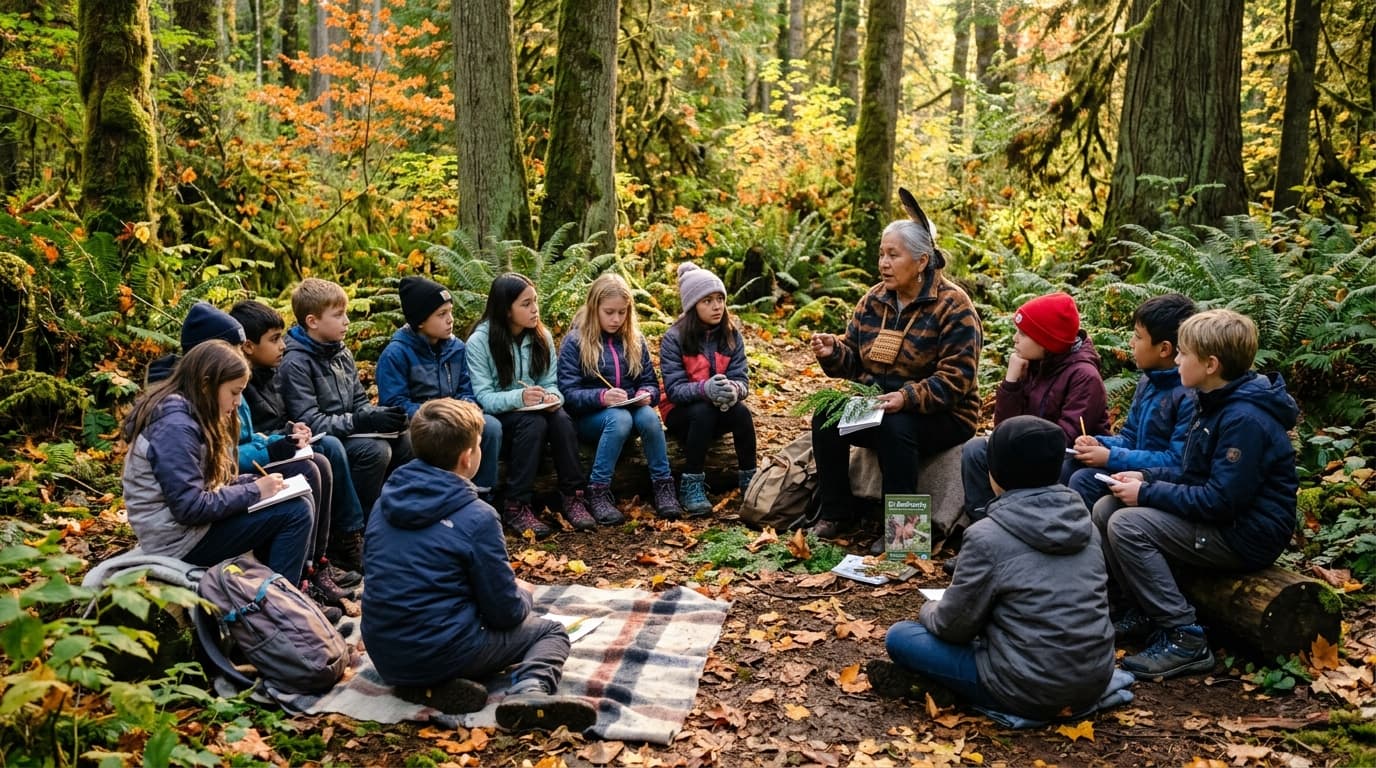
In response, leading Canadian school boards have shifted toward a dual-framework model: Trauma-Informed Practice grounded in contemporary neuroscience, combined with Restorative Justice and Restorative Practices, heavily informed by Indigenous peacemaking circle traditions.
Yet, implementing trauma-informed restorative practices in a bustling primary or secondary school is fraught with real-world complexities. Educators frequently struggle with the misconception that restorative practice is "soft on discipline" or that it leaves victims unprotected. Teachers face compassion fatigue and secondary traumatic stress, while administrators struggle to build sustainable, whole-school relational systems that replace automatic suspensions with genuine accountability, remorse, and relational repair.
This comprehensive masterclass provides Canadian educators, guidance counselors, vice-principals, and school leaders with an evidence-informed, practical pedagogical blueprint for embedding trauma-informed and restorative practices from Kindergarten through Grade 12.
1. Neurosequential Foundations: The Triune Brain and Trauma Physiology
To respond to challenging classroom behaviour effectively, educators must first understand the neurobiology of the human nervous system under stress. Grounded in the work of American child psychiatrist Dr. Bruce Perry (The Neurosequential Model of Therapeutics) and Canadian developmental psychologist Dr. Gordon Neufeld, behaviour is recognized not as deliberate defiance, but as communication of internal physiological state.
| Brain Region | Core Physiological Function | Educational Implication |
|---|---|---|
|
CORTEX (Thinking Brain)
|
Executive function, abstract logic, future planning, language.
|
Learning, reflection, moral reasoning, and insight ONLY occur when this region is online and active.
|
|
LIMBIC SYSTEM (Feeling Brain)
|
Emotional processing, attachment, social connection, memory.
|
Scans for emotional safety, social belongi and relational threat.
|
|
BRAINSTEM (Survival Brain)
|
Survival reflexes: heart rate, respiration, fight, flight, freeze arousal states.
|
In fight/flight/freeze, this primitive region hijacks the brain; access to logic and language is physically severed.
|
Dr. Bruce Perry's "Three Rs" Sequential Protocol
When a student is dysregulated, screaming, throwing objects, or curled into a silent freeze, teachers frequently make the fatal mistake of attempting to reason logically ("Noah, think about your choices! Why did you do that?").
Attempting to reason with a dysregulated brain is neurobiologically impossible because the prefrontal cortex is offline. Interventions must follow the Sequential Three Rs:
2. Stuart Shanker's Self-Reg: Misbehaviour vs. Stress Behaviour
A cornerstone of Canadian trauma-informed practice is the Self-Reg (Self-Regulation) Framework, developed by Dr. Stuart Shanker at York University's MEHRIT Centre. Shanker's most transformative insight is the critical distinction between Misbehaviour and Stress Behaviour:
| Dimension | Misbehaviour (Volitional / Choice) | Stress Behaviour (Physiological Overload) |
|---|---|---|
|
Motivation
|
The student could have acted differently; voluntary decision.
|
The student's nervous system is overwhelme by excessive stressors; autonomic reflex.
|
|
Internal State
|
Child is physiologically regulated with cognitive control intact.
|
Child is operating in sympathetic fight/ flight or dorsal vagal freeze collapse.
|
|
Proper Response
|
Clear logical boundaries, natural consequences, accountability.
|
Identify and reduce environmental stressor co-regulate and restore calm.
|
|
PUNITIVE DANGER
|
Treating Stress Behaviour as Misbe for splashing water! Punishment in extreme dysregulation and violence
|
aviour results in punishing a drowning chil reases physiological stress, triggering mor
|
The 5 Domains of Stress (Shanker's Model)
When a student acts out, the trauma-informed teacher asks: "Why? And why now?" across five stress domains:
- Biological Domain: Hunger, dehydration, lack of sleep, sensory overload (buzzing fluorescent lights, loud classrooms, uncomfortable clothing tags), physical pain, neurodevelopmental sensory processing differences.
- Emotional Domain: Anxiety, fear of failure, grief, feeling unloved, shame, perfectionism.
- Cognitive Domain: Working memory overload, difficulty processing complex verbal instructions, executive functioning fatigue.
- Social Domain: Peer conflict, navigating complex playground hierarchies, social isolation, fear of standing out.
- Prosocial Domain: Empathy fatigue, absorbing a distressed peer's or family member's emotional turmoil.
3. Restorative Justice in Education: Relationality and Indigenous Peacemaking Roots
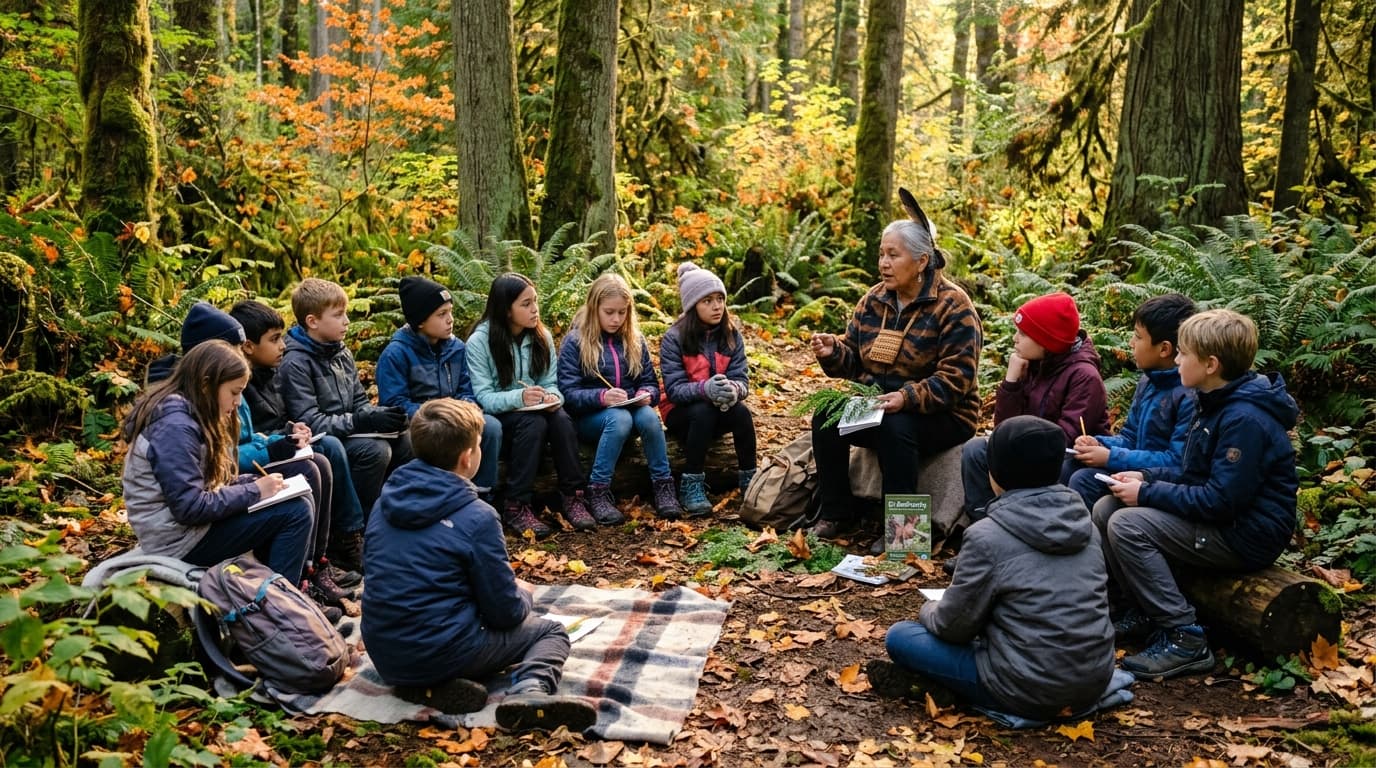
Restorative Justice in Canadian education is deeply indebted to Indigenous traditions of community peacemaking, circle justice, and relational accountability practiced for millennia by First Nations and Métis communities across Turtle Island.
Restorative practices reject the retributive, legalistic paradigm that asks: "What rule was broken? Who broke it? How should they be punished?" Instead, restorative philosophy asks:
The Social Discipline Window (Ted Wachtel)
Restorative practice is neither permissive nor punitive; it operates in the WITH (Restorative) quadrant of the Social Discipline Window:
Restorative educators maintain unapologetically high behavioral expectations and boundaries, but provide equally high emotional support and scaffolding to help the student repair harm.
4. Peacemaking Circles: Building Community and Resolving Harm
The Restorative Circle is the fundamental structural practice of a restorative school. Circles are not reserved exclusively for serious behavioral crises; they exist on a continuum:
Lesson Planner
Generate comprehensive, CAPS-aligned lesson plans in seconds.
| Circle Type | Primary Function & Frequency | Structural Mechanics & Questions |
|---|---|---|
|
Tier 1: Community- Building Circles (Universal)
|
Daily or weekly; builds trust, psychological safety, and oracy across the whole class cohort.
|
- Talking piece passed sequentially. - Low-stakes prompt: "What is one thing bringing you energy or worry today?"
|
|
Tier 2: Problem- Solving Circles (Targeted)
|
As needed; addresses classroom tensions, hallway gossip, or group exclusion dynamics.
|
- Explores shared classroom dysfunction: "How is the noise level during project time affecting our collective focus?"
|
|
Tier 3: Formal Restorative Conferences
|
Convened for serious harm: fights, severe bullying, or vandalism. Highly structured script.
|
- Involves harmed party, harm-doer, parents, admin, and community support. - Results in a binding Restorative Plan.
|
The 4 Non-Negotiable Rules of the Talking Circle
- Respect the Talking Piece: Only the individual holding the physical talking piece (a stone, carving, or feather) speaks. Everyone else listens with mind, heart, and body.
- Speak from the Heart: Share authentic personal experience using "I-statements" rather than blaming others.
- Listen with Curiosity (No Interruption): Listen to understand, not to formulate a counter-rebuttal.
- Remain in the Circle (Right to Pass): Everyone stays physically seated in the circle; students have the right to pass the talking piece without speaking, but must remain present.
5. Restorative Chat Scripts: In-the-Moment Conflict De-Escalation
When minor conflicts erupt in the hallway, gymnasium, or playground, teachers need quick, repeatable conversational scripts that invite reflection rather than defensive lying.
The 5 Core Restorative Questions (To the Person Who Caused Harm)
Never ask a defensive child: "Why did you do that?" (The child will almost certainly reply: "I don't know" or blame a peer).
Ask the 5 Restorative Inquiries:
The 4 Questions for the Person Affected by Harm
- "What did you think when it happened?"
- "What impact has this incident had on you and others?"
- "What has been the hardest thing for you?"
- "What do you need to see happen now so that things can be right and you feel safe?"
6. Creating Trauma-Informed Classroom Environments: Physical and Sensory Sanctuaries
Physical classroom environments can either soothe or chronically trigger a sensitized nervous system. Intentional spatial design reduces autonomic stress for all learners:
7. Secondary Traumatic Stress and Educator Wellbeing
Teachers working with traumatized students absorb immense emotional pain. Without deliberate institutional protections, educators succumb to Compassion Fatigue, Secondary Traumatic Stress (STS), and Burnout.
The Educator Regulation Imperative
"An unregulated adult cannot regulate a dysregulated child."
When an educator is operating on empty, running on adrenaline and sleep deprivation, their mirror neuron system will automatically mirror a student's aggression, escalating classroom shouting matches.
Whole-School Staff Wellbeing Protections
- The "Tap-Out" System: Establish a school-wide culture where any teacher can buzz a neighboring colleague or the office for a 5-minute "Tap-Out" break when their own nervous system is approaching dysregulation, without shame or judgment.
- Peer Debriefing Protocols: Formalize weekly, low-stakes debrief circles where teachers process stressful behavioral incidents confidentially with peers, focusing on mutual support rather than venting.
- Fierce Professional Boundaries: Protect evenings and weekends. Administrators should establish email blackout periods (e.g., no school emails between 6:00pm and 7:00am), protecting the sanctuary of restorative home life.
8. Step-by-Step Formal Restorative Re-Entry Conference Protocol
When serious harm has occurred (such as a physical altercation, vandalism, or targeted bullying), a formal Tier 3 Restorative Conference is required before a student re-enters the classroom. This ensures that safety is re-established and all affected parties have an active voice in relational repair:
Real-World Case Study: Resolving Middle School Cyber-Harassment Restoratively
The Scenario: In a Grade 8 classroom in Calgary, two students created a derogatory group chat mocking a classmate's clothing, family background, and academic struggles. Screenshots circulated rapidly across social media, causing the targeted student acute social anxiety, panic attacks, and school avoidance for four days.
Traditional Retributive Outcome: Suspend both aggressors for three days. The suspended students sit at home scrolling social media, while the victim returns terrified that retaliation will follow. The relational tension in the classroom remains poisonous.
Restorative Intervention Execution:
- Intake & Preparation: The school restorative facilitator conducted private pre-conferences with the victim, both aggressors, and their respective parents.
- The Conference: In a guided circle, the victim courageously read a personal impact statement describing the terror of walking into the school cafeteria and hearing whispering. The aggressors, confronted face-to-face with the human agony their digital messages caused, experienced genuine, visible remorse and broke down in tears.
- The Reparative Agreement:
- Both aggressors delivered formal written apologies acknowledging specific harm caused.
- They permanently deleted the social media group chat and handed their phones to parents during evening study hours.
- They partnered with the teacher-librarian to design a 20-minute digital citizenship presentation on cyber-kindness and online safety delivered to Grade 6 classes.
- A two-week check-in verified zero secondary retaliation, and the victim reported feeling completely safe and respected in class.
9. Frequently Asked Questions (Canadian Educators & Vice-Principals)
Does restorative practice mean students never face consequences for severe violence or weapons?
No. Restorative practice does not eliminate administrative consequences. In cases of acute violence, weapons, or hate speech, emergency administrative safety protocols (including temporary suspensions) are utilized to protect physical safety and allow the community to de-escalate. However, the suspension is not the end of the process; it is merely a temporary cooling period. The true restorative work begins upon the student's return: convening a formal Restorative Re-Entry Conference to repair harm, rebuild trust, and address the root causes of the violence.
How do we convince parents of victims that restorative justice is fair?
Parents of victimized children often demand retributive vengeance ("I want that bully expelled!"). Meet with the parents with deep empathy:
- Validate their anger and protective instincts completely.
- Explain that mere punishment (suspending the aggressor for three days) simply allows the student to play video games at home without remorse, often returning to school even more resentful and vengeful toward their child.
- Show how restorative conferences require the harm-doer to sit face-to-face with the victim, hear the full emotional impact of their actions, look the parents in the eye, apologize meaningfully, and perform concrete, monitored reparative actions. Restorative accountability is vastly harder, more demanding, and more transformative than sitting at home on suspension.