How to Create Standards-Aligned Small-Group Literacy Stations on a Limited Budget
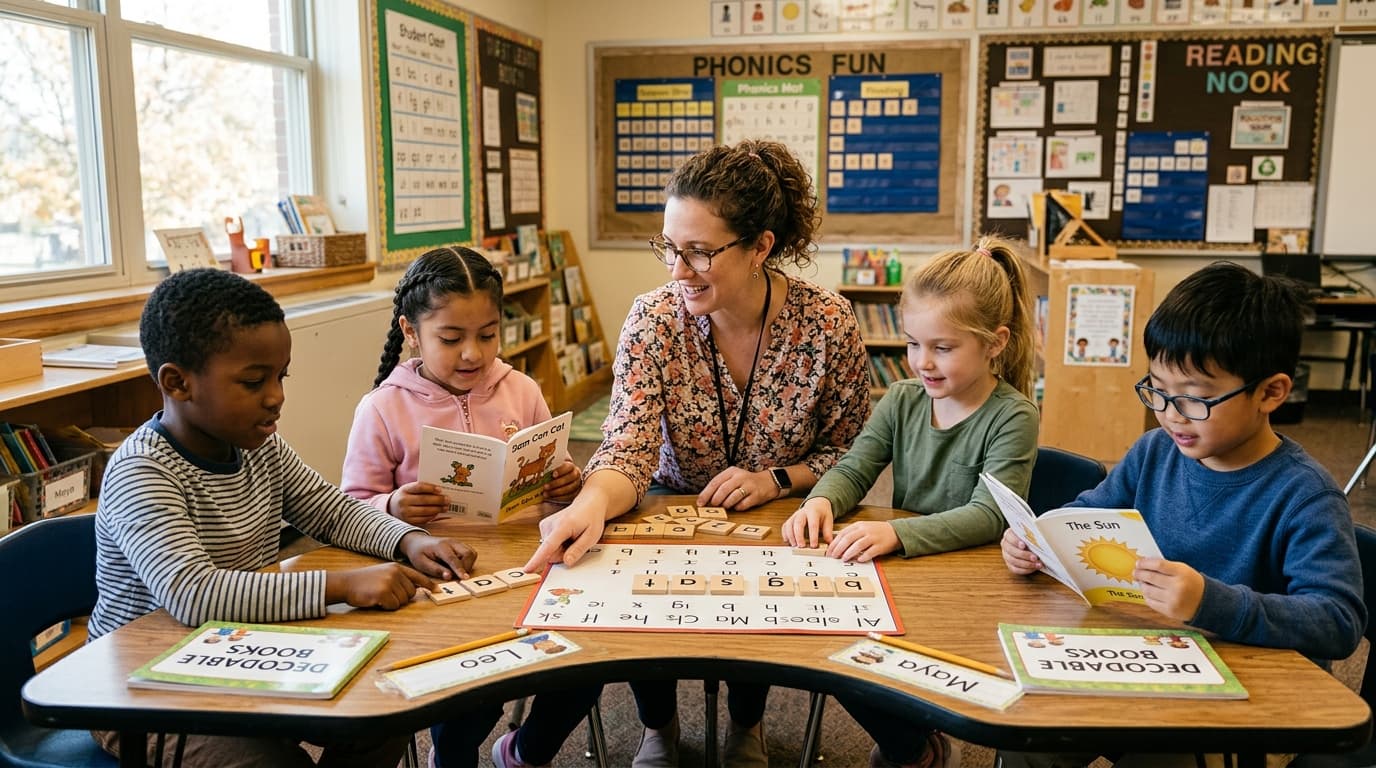
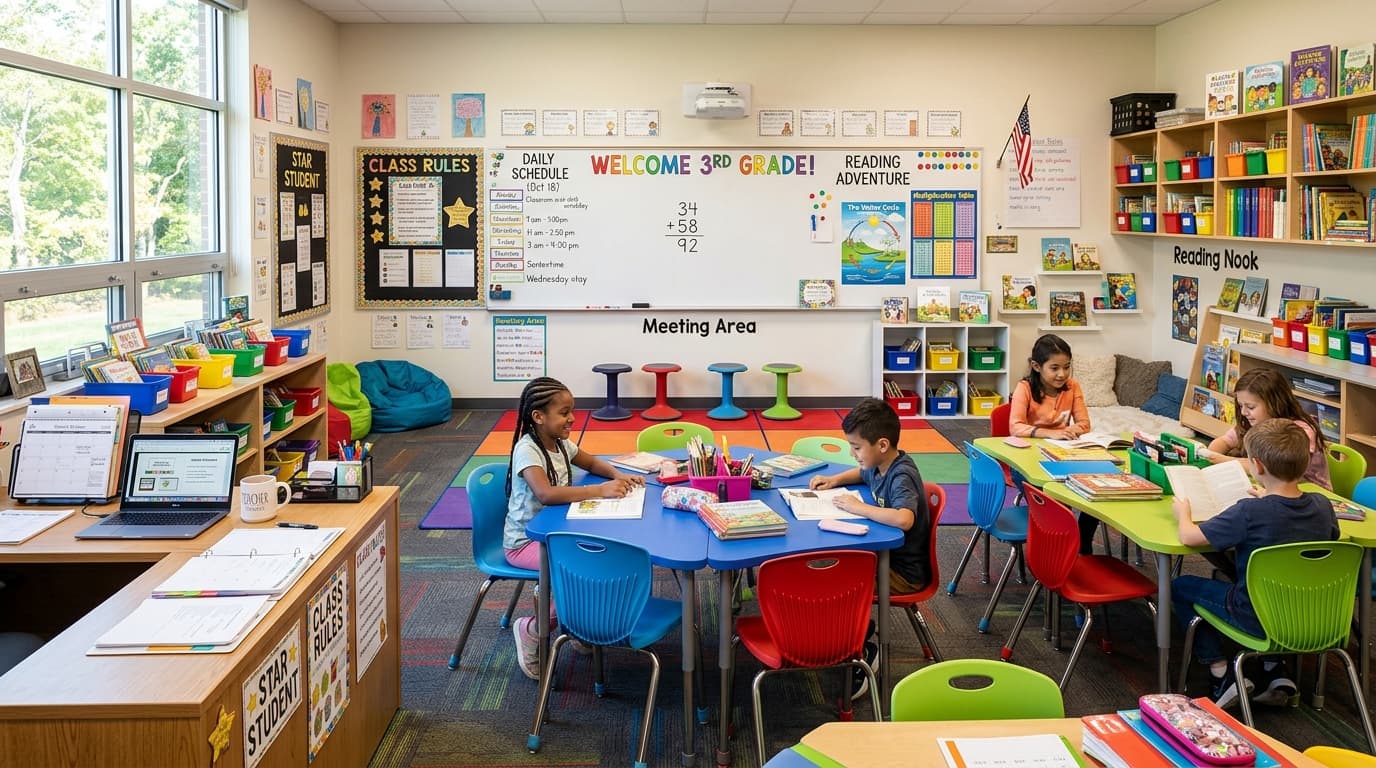
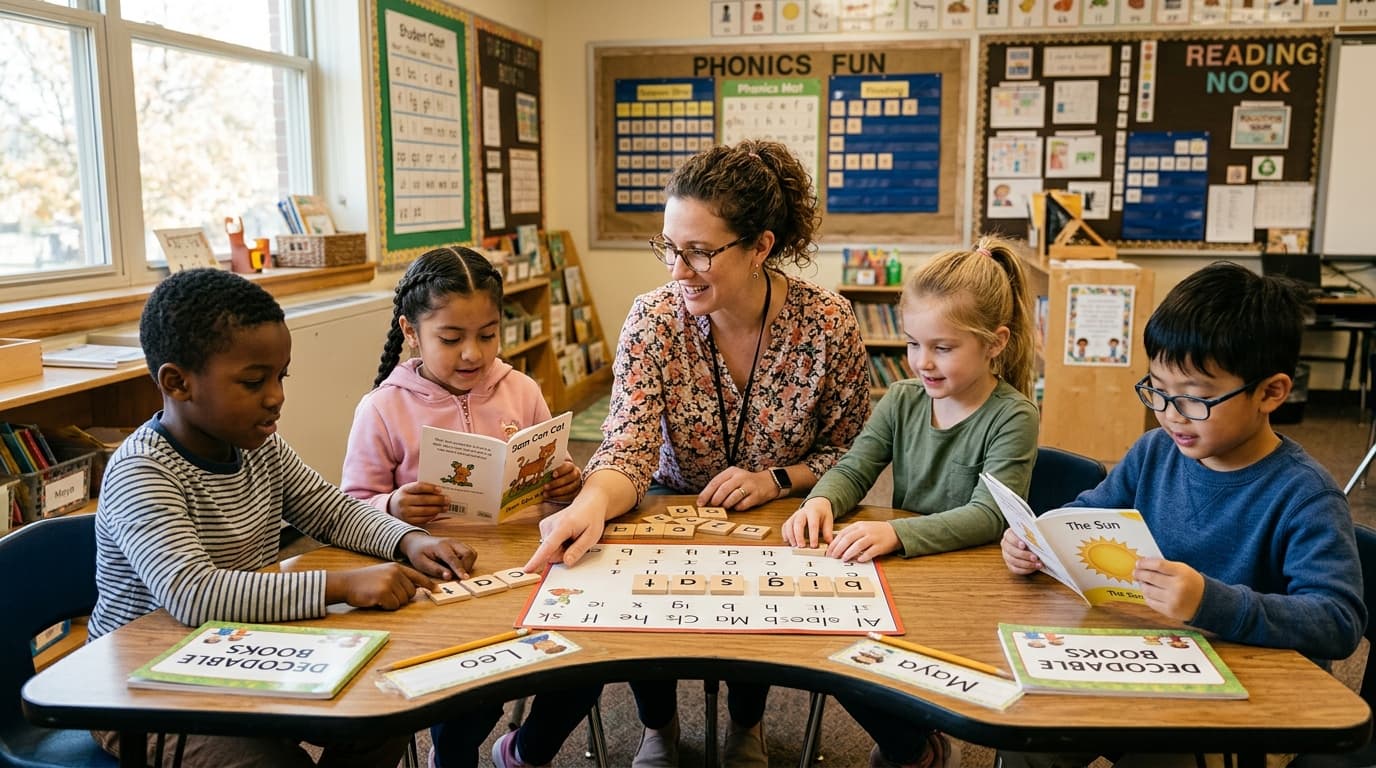
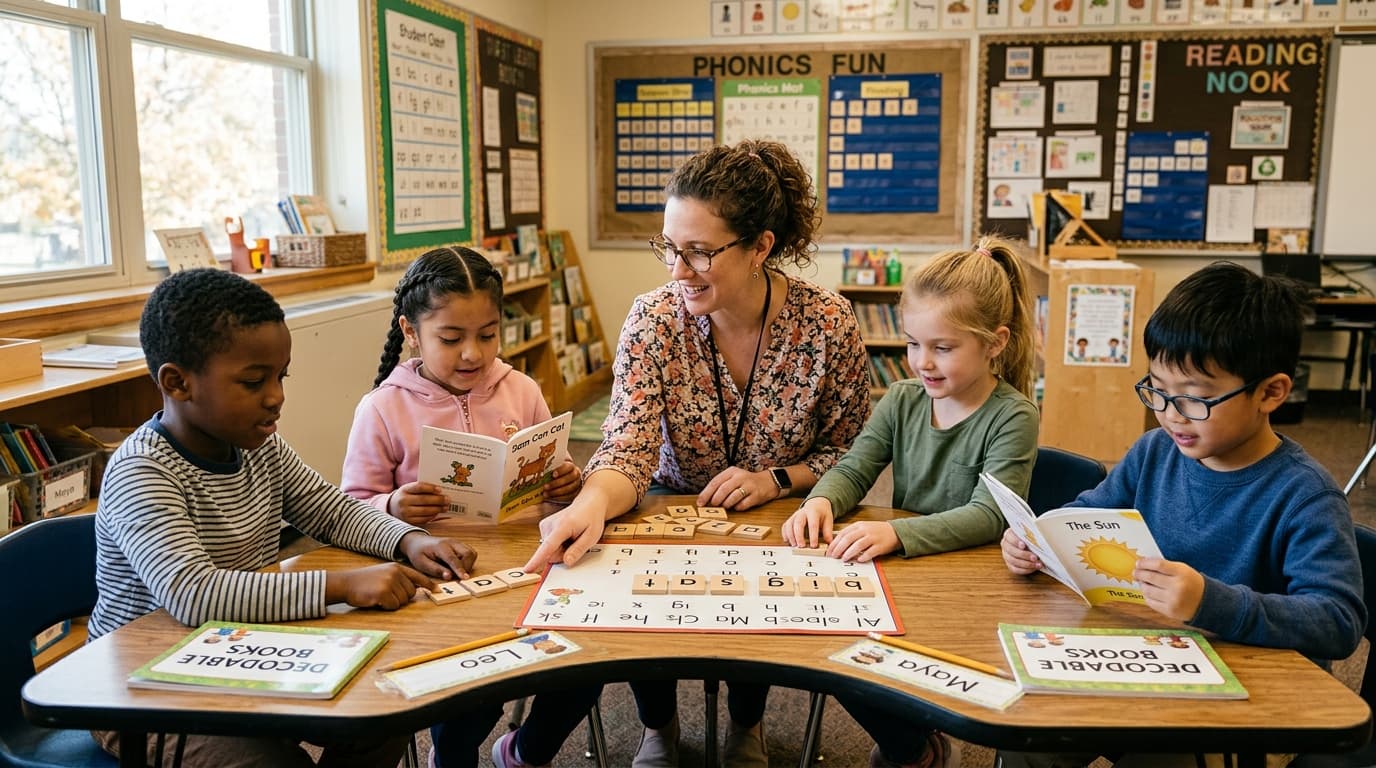
In elementary classrooms across the United States, small-group reading instruction represents the single most vital instructional window of the day. While a teacher sits at the guided reading table delivering diagnostic phonics or comprehension coaching to 4 to 5 students, the remaining 20 children must be engaged in purposeful, standards-aligned literacy workstations.
Unfortunately, modern educational media and commercial marketplaces create immense pressure for elementary teachers to spend hundreds of dollars of their personal money purchasing laminated commercial center kits, expensive storage caddies, and subscription materials. In underfunded public and Title I schools, this financial burden fuels severe educator burnout.
The professional truth is liberating: High-yield literacy stations do not require expensive commercial products. In fact, research demonstrates that simple, open-ended, and predictable workstation routines grounded in authentic reading and writing produce higher academic engagement and retention than flashy commercial busywork.
This guide delivers an exhaustive, budget-conscious operational blueprint for designing, organizing, managing, and sustaining K–5 literacy stations using everyday recycled materials, printable templates, and smart classroom systems.
Table of Contents
- 1. Pedagogical Foundations: Meaningful Practice vs. Fabricated Busywork
- 2. The 5 Core Literacy Station Pillars (The Daily 5 Adapted)
- 3. Step-by-Step Guide: Launching Low-Cost Literacy Stations
- Step 1: Repurpose Household and Dollar-Store Materials into Durable Storage
- Step 2: Establish the 4 Perpetual Core Stations (Phonics, Writing, Reading, Vocabulary)
- Step 3: Design Open-Ended, Reusable Templates That Never Run Out
- Step 4: Engineer Visible Student Accountability Systems
- Step 5: Train Classroom Autonomy with the 10-Step Stamina Protocol
- Step 6: Maintain a Weekly Material Rotation Routine in Under 15 Minutes
- 4. The Budget-Friendly DIY Literacy Station Blueprint Matrix
- 5. Print-Ready Reusable Recording Sheets & Task Cards
- 6. Dollar-Store Material Transformation Guide (10 Hacks Under $5)
- 7. Differentiating Literacy Stations for Tier 2 Interventions & ELLs
- 8. Solving Chronic Station Management Headaches
- 9. Digital Tools, Virtual Audiobooks, and AI in Small-Group Literacy
- 10. Frequently Asked Questions (FAQ)
- 11. Action Plan for Elementary Educators
- 12. Scholarly References and Literacy Center Research
- 13. Related Teaching Resources and Literacy Tools
1. Pedagogical Foundations: Meaningful Practice vs. Busywork
In their landmark research synthesis on reading instruction, Dr. Richard Allington and Dr. Nell Duke highlighted a pervasive crisis in elementary classrooms: children spend enormous percentages of their literacy blocks doing "pseudo-reading" (cutting and pasting paper strips, coloring letter worksheets, or doing repetitive word searches) rather than actually reading and writing connected text.
To be instructionally valid and aligned with Common Core foundational literacy standards, a literacy station must pass the Allington Literacy Test:
- Does this task require the child to decode real words, read connected sentences, write original text, or analyze vocabulary?
- If the answer is no—if the activity is predominantly cutting, coloring, or playing an unmonitored board game—it is non-productive busywork that widens the achievement gap.
2. The 5 Core Literacy Station Pillars
Adapting Gail Boushey and Joan Moser's renowned Daily 5 model, high-impact elementary literacy blocks center around five perpetual stations:
3. Step-by-Step Guide: Launching Low-Cost Literacy Stations
Step 1: Repurpose Recycled & Dollar-Store Storage
Never purchase commercial plastic shelving units. Build durable station storage using free or dirt-cheap alternatives:
- Cardboard Cereal Box Magazine Holders: Cut cereal boxes diagonally, wrap them in colorful contact paper or duct tape, and use them as individualized student book boxes.
- Ziploc Gallon Freezer Bags: Store station task cards, letter tiles, and game mats inside heavy-duty Ziploc bags hung from metal binder rings on simple adhesive hooks.
- Plastic Dish Pans: Dollar-store dish pans ($1.25 each) serve as indestructible station bins holding all supplies.
Step 2: Establish Perpetual, Open-Ended Station Routines
The secret to sustainable literacy stations is changing the content, not the routine. When students know the perpetual routine (e.g., "Roll and Write Phonics" or "Read, Roll, and Retell"), you never have to waste 20 minutes explaining new game directions every Monday. You simply slip new weekly phonics cards or vocabulary words into the existing, mastered station routine.
Step 3: Design Reusable Laminated Templates
Stop printing 100 new worksheets every week. Place single master copies of your station recording sheets inside reusable dry-erase dry-erase pockets (or heavy-duty plastic sheet protectors):
Lesson Planner
Generate comprehensive, CAPS-aligned lesson plans in seconds.
- Students write with fine-point dry-erase markers.
- They snap a photo of their completed work with their classroom device, or the teacher spot-checks the sheet at transition.
- Students wipe the pocket clean with a clean black sock (which also stores their dry-erase marker), ready for the next rotation. One paper copy lasts the entire school year.
Step 4: Engineer Visible Student Accountability
To eliminate off-task behavior, require a concrete deliverable for every rotation:
- At the Word Work station: Students leave their 5 completed word chains on their whiteboard for the teacher to glance at during room scan.
- At the Writing station: Students file their draft page into their active writing folder.
- At Read to Self: Students record the pages read and one sentence summary on a 3x5 index card bookmark.
Step 5: Train Classroom Autonomy with the Stamina Chart
Never open guided reading groups on Day 1. Spend the first 15 days building student reading stamina:
- Day 1: Class practices "Read to Self" for exactly 3 minutes. If anyone talks or looks around, the timer stops.
- Record progress on a large visual bar graph: "Today we built 3 minutes of stamina!"
- Gradually build stamina until the entire class can read or work completely independently for 20 continuous minutes. Only then does the teacher begin small-group instruction.
Step 6: Maintain a 15-Minute Weekly Rotation Habit
Every Friday afternoon, spend 15 minutes updating your stations for the upcoming week:
- Swap out the 10 phonics word cards in the Word Work bin for next week's target pattern.
- Place a fresh mentor prompt in the Writing bin.
- Restock dry-erase markers. Your stations are 100% prepared for Monday morning.
4. The Budget-Friendly DIY Literacy Station Blueprint Matrix
| Station Name | DIY Low-Cost Materials | Core Standard Aligned | Student Task Description |
|---|---|---|---|
|
Phonics Word Building
|
Plastic bottle caps with Sharpie letters; dry-erase sound boxes
|
CCSS.ELA.RF.1.3 (Phonics decoding)
|
Students build word chains, tap sounds, and record words on laminated mats.
|
|
Roll & Retell Partner Reading
|
1 foam dice from dollar store; 2 trade books or decodables
|
CCSS.ELA.RL.2.2 (Recount story & central message)
|
Partners take turns rolling dice and answering retell prompts (Roll 1 = Setting, Roll 2 = Problem).
|
|
Sight Word / Heart Word Mapping
|
Dry-erase pockets, playdough, craft sticks
|
CCSS.ELA.RF.K.3 (High-frequency words)
|
Students smash playdough balls for each phoneme, map letters, and write the target word.
|
|
Spin & Elaborate Writing
|
Plastic paperclip + pencil (makeshift spinner); picture cards
|
CCSS.ELA.W.3.2 (Informational writing)
|
Students spin for a character and setting, then write a 5-sentence descriptive paragraph.
|
|
Vocabulary Morphology Station
|
Jenga blocks labeled with prefixes/roots ($3 thrift store)
|
CCSS.ELA.L.4.4 (Affixes and roots)
|
Students pull a block, state the root meaning, and construct an academic word.
|
5. Print-Ready Reusable Recording Sheets & Task Cards
Provide students with this universal open-ended reading response template:
6. Dollar-Store Material Transformation Guide (10 Hacks Under $5)
- Pool Noodles into Phonics Bead Sliders: Slice a $1.25 foam pool noodle into 1-inch discs. Write consonants in blue and vowels in red. String them on a clothesline for tactile CVC word blending.
- Plastic Bottle Caps for Letter Tiles: Collect clean milk and water caps. Write letters with permanent Sharpie (blue for consonants, red for vowels). Free, tactile, and indestructible.
- Cheap Microfiber Washcloths as Dry-Erase Erasers: Buy a 4-pack of car-wash microfiber towels for $1.25. Cut into 4-inch squares; cleans dry-erase boards far better than expensive felt erasers.
- Paint Sample Chips for Word Families: Pick up free paint sample strips from the local hardware store. Write word family endings (-at, -ing, -ight) at the bottom and slide letter cards through slits.
- Cookie Baking Sheets for Magnetic Word Work: Buy metal baking sheets at the dollar store. Perfect individual student lap trays for magnetic letter tile manipulatives.
7. Differentiating Literacy Stations for Tier 2 and Multilingual Learners
- Color-Coded Task Cards: Organize station task cards into color-coded rings: Yellow rings for Tier 2 foundational phonics, Green rings for on-grade level comprehension, Blue rings for advanced inquiry challenges.
- Visual Audio QR Codes: Paste free QR codes onto decodable books linking to teacher-recorded audio readings (using Vocaroo or Loom). Struggling readers listen with headphones while following along with their fingers.
- Bilingual Picture Word Banks: In the writing station, provide laminated picture dictionaries pairing English terms with Spanish, Arabic, or Vietnamese cognates.
8. Solving Chronic Station Management Headaches
9. Digital Tools, Virtual Audiobooks, and AI in Small-Group Literacy
Leverage modern free digital resources:
- Storyline Online & Epic!: High-quality streaming audiobooks read by celebrated actors for the Listen to Reading station.
- SA Teachers Reading Comprehension Assistant: Use the Reading Comprehension Tool to generate custom decodable passages and comprehension task cards matched exactly to your weekly literacy station focus.
Comprehensive Literacy Station Rotations Schedules by Class Size
Organizing rotational movements across classrooms of varying sizes requires precise logistical design. Review these two master rotation schedules:
Master Schedule A: 24 Students (4 Groups of 6 • 3 Rotations Daily)
- Group 1 (Red): Tier 2 Foundational Phonics Support
- Group 2 (Yellow): Strategic Reading Fluency & Vocabulary
- Group 3 (Blue): On-Grade Level Comprehension & Analysis
- Group 4 (Green): Advanced Inquiry & Literature Extension
5 Low-Cost Word Work Phonics Games with Free Recycled Materials
- Bottle Cap Sound Swat: Write high-frequency word roots or digraphs on plastic bottle caps scattered across a baking sheet. The teacher calls out a sound (e.g., /ch/), and student pairs compete to gently swat the correct cap with a clean dollar-store flyswatter.
- Clothespin Syllable Clip: Print multi-syllable word cards with numbers 1, 2, 3, 4 along the bottom edge. Students pronounce the word, clap the syllables, and clip a wooden clothespin ($1.00 for a pack of 50) onto the correct syllable count.
- Dry-Erase Paint Chip Ladders: On 4-color gradient paint sample chips, students write word ladders (changing one phoneme per rung: cat → bat → bag → big).
- Egg Carton Word Sort: Label the 12 compartments of a clean cardboard egg carton with target vowel teams (e.g., ai, ay, ee, ea, oa, ow). Students sort plastic chips with printed words into the corresponding egg slots.
- Jenga Prefix-Suffix Tower: Using a $3 thrift store wooden tumbling block game, write common affixes (un-, re-, pre-, -ful, -less, -able) on the blocks. When a child pulls a block, they must define the affix and use a word containing it in a sentence before stacking it on top.
10. Frequently Asked Questions (FAQ)
How many rotations should elementary students complete each day?
In a standard 60- to 75-minute literacy block, run two to three 20-minute rotations. Do not attempt four or five rotations in one day, which creates excessive transition chaos and fragments deep reading focus.
How do I grade station work without spending all weekend checking papers?
Do not grade every piece of station work! Spot-check one station's recording sheet per day, or review student reading response journals during weekly individual reading conferences.
11. Action Plan for Elementary Educators
- This Weekend: Collect plastic bottle caps and ask your local hardware store for free paint chip strips.
- Next Week: Introduce the "Read to Self" station and track class stamina daily on a visual bar graph until reaching 15 uninterrupted minutes.
- By Month's End: Launch the full 4-station rotation model with reusable dry-erase pocket templates.
12. Scholarly References and Literacy Center Research
- Allington, R. L. (2002). What Really Matters for Struggling Readers: Designing Research-Based Programs. Allyn & Bacon.
- Boushey, G., & Moser, J. (2014). The Daily 5: Fostering Literacy Independence in the Elementary Grades (2nd ed.). Stenhouse Publishers.
- Diller, D. (2003). Literacy Work Stations: Making Centers Work. Stenhouse Publishers.
- Duke, N. K., & Pearson, P. D. (2002). Effective Practices for Developing Reading Comprehension. What Research Has to Say About Reading Instruction.
13. Related Teaching Resources and Literacy Tools
- International Teaching Resources Hub — Explore our complete collection of international foundational literacy guides.
- AI Reading Comprehension Tool — Generate customized leveled reading passages, vocabulary task cards, and comprehension questions.
- AI Worksheets Generator — Create printable, reusable phonics and word study templates.