The Reporting Season Crisis in South African Schools
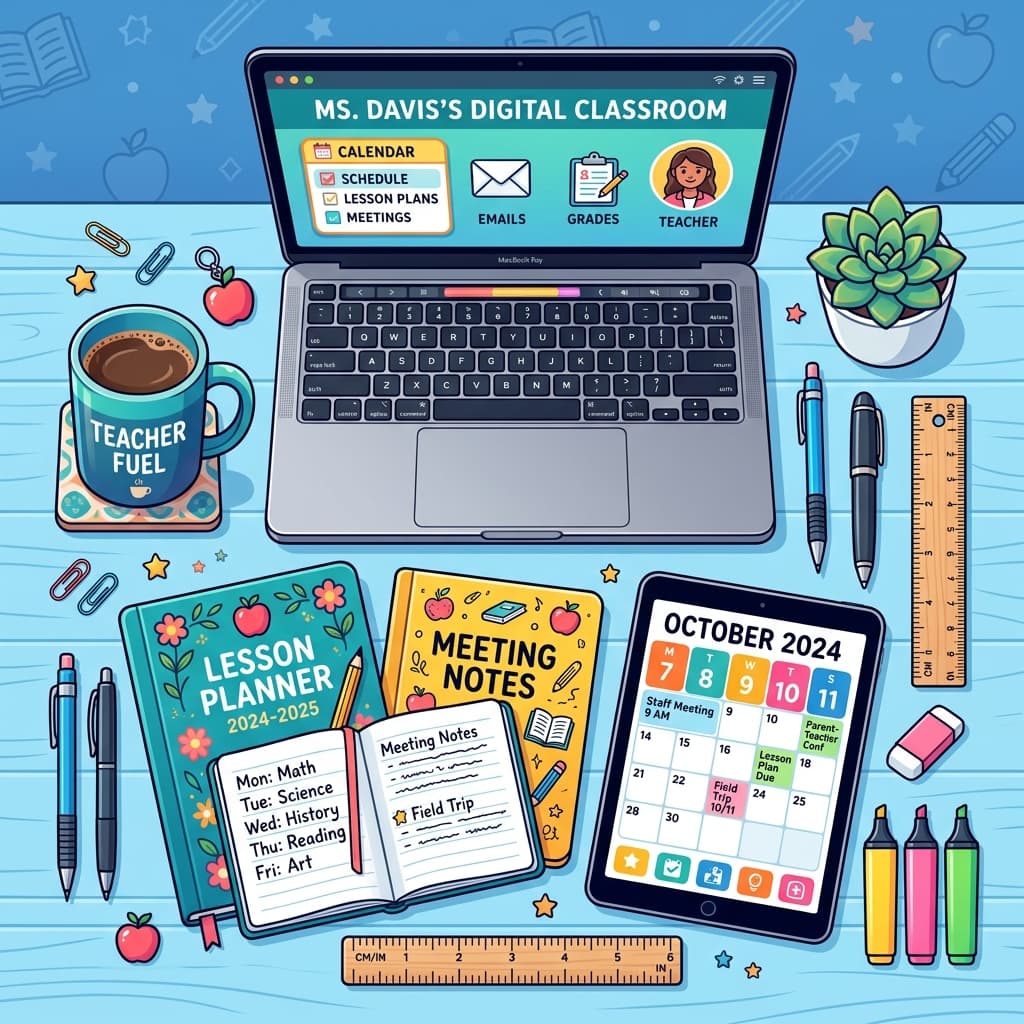
Every South African teacher knows the feeling. As the end of the term approaches, the atmosphere in the staffroom shifts from collaborative energy to a palpable sense of dread. The culprits? The Annual Teaching Plan (ATP) deadlines, the piles of marking, and the looming mountain of report comments.
In many schools, from the Foundation Phase to FET, the reporting process remains a manual, gruelling task. Teachers spend hours copying and pasting generic comments into spreadsheets, trying to ensure they align with the Curriculum and Assessment Policy Statement (CAPS) requirements while still sounding personalised for each learner. This "admin-heavy" culture doesn't just cause burnout; it detracts from the most important part of the job: teaching.
We are currently in the midst of a digital revolution in education, yet many School Management Teams (SMTs) still rely on reporting systems that are essentially digital versions of 1990s paperwork. To survive and thrive in the modern classroom, South African teachers need smarter reporting systems—systems that don't just record data, but actively assist in the pedagogical process.
The Bottleneck of Traditional Reporting
The traditional reporting method is flawed for several reasons. Firstly, it is disconnected from the daily classroom reality. Often, a teacher has to look back at three months of assessments to summarise a learner's progress in two sentences. This disconnect often leads to "vague-speak"—comments like "Work harder next term" or "A pleasing result," which offer very little actionable advice to parents or learners.
Secondly, the sheer volume of work is unsustainable. An FET teacher with five classes of 40 learners each is looking at 200 individual reports. If each report takes just five minutes to draft, check, and input, that is nearly 17 hours of pure admin time—excluding the time spent marking the scripts that inform those reports.
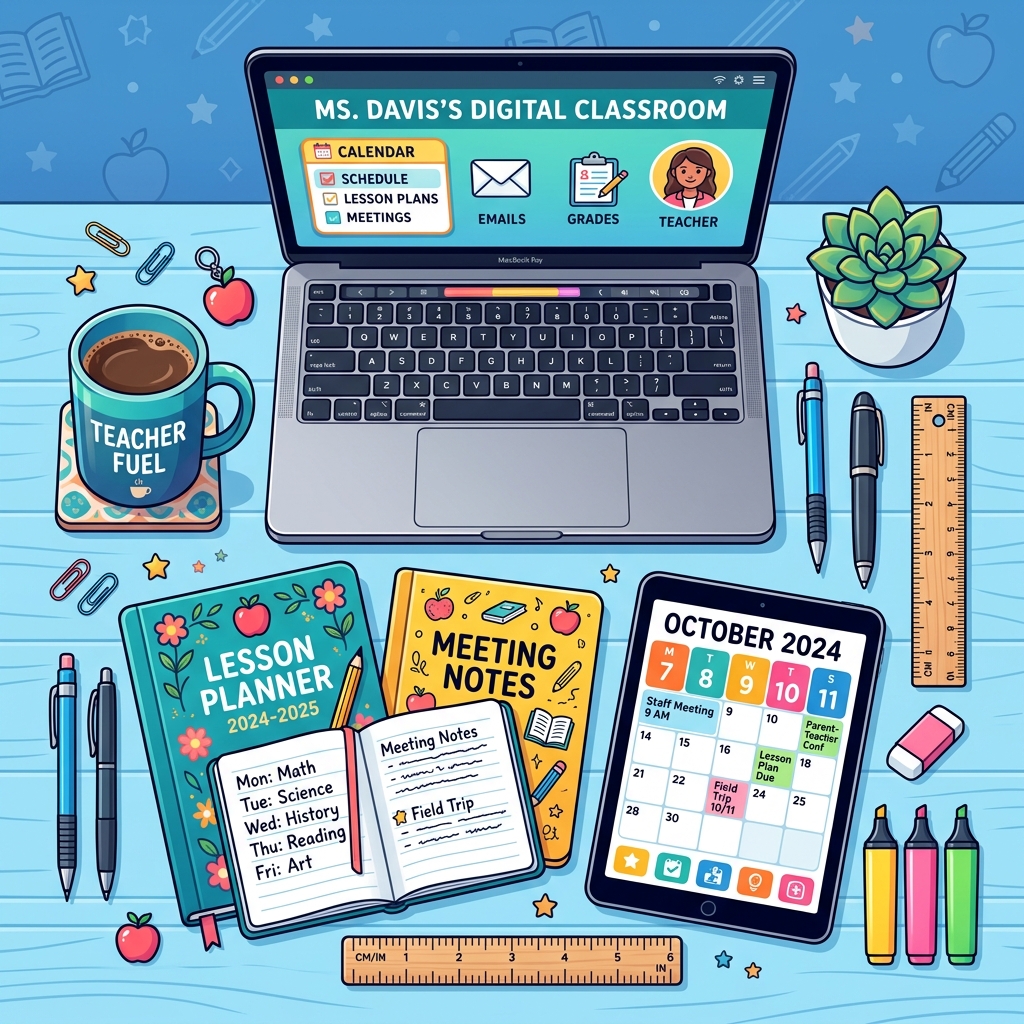
Finally, there is the pressure of compliance. The Department of Basic Education (DBE) requires strict adherence to CAPS levels and assessment weighting. A manual system leaves room for human error, which can lead to discrepancies during moderation or, worse, incorrect marks being finalised on the South African School Administration and Management System (SA-SAMS).
What Makes a Reporting System "Smarter"?
A smarter reporting system is one that integrates the entire teaching cycle—planning, assessment, and feedback—into a single, cohesive workflow. It uses Artificial Intelligence (AI) to handle the repetitive, "low-value" tasks, allowing the teacher to focus on the "high-value" task of intervention and mentorship.
The smarter reporting journey begins long before the term ends. It starts with how we assess. When teachers use tools like the Worksheet & Exam Generators on SA Teachers, they are creating assessments that are already aligned with CAPS weightings and cognitive levels.
By using a smarter system, the data from these assessments can be automatically aggregated. Instead of a teacher looking at a raw mark at the end of the term, the system can show that a learner struggled specifically with "Euclidean Geometry" or "Language in Context." This makes the reporting process an extension of the marking process, rather than an isolated admin task.
2. AI-Driven Personalisation
The most significant breakthrough for South African educators is the ability to generate meaningful feedback through AI. This is where the Report Comments Generator at SA Teachers becomes a game-changer.
Rather than staring at a blank cell in a spreadsheet, a teacher can input a few key performance indicators—such as a learner’s test average, their participation level, and specific strengths—and the AI generates a professional, CAPS-aligned comment in seconds. This doesn't replace the teacher’s voice; it provides a high-quality draft that the teacher can then refine and "SA-ify" to suit the specific context of their school.
Bridging the Gap: From Lesson Planning to Reports
Reporting is often seen as the "end" of a cycle, but in a smart system, it is part of a continuous loop. Effective reporting is only possible if the teaching that preceded it was structured and measurable.
Using the CAPS-Aligned Lesson Planner
A smarter reporting system relies on accurate data about what was supposed to be taught versus what was actually covered. By using the CAPS-Aligned Lesson Planner, teachers ensure that every lesson is mapped to the relevant Annual Teaching Plan (ATP). When it comes time to write reports, the teacher has a digital trail of the curriculum covered. This allows for comments that are specific to the term’s content, such as "Thabo has shown an excellent grasp of the causes of the French Revolution, though he needs to focus on his essay structure."
Streamlining the Marking Process
One of the biggest delays in reporting is the time it takes to mark subjective assessments like essays or projects. For English Home Language or Life Orientation teachers, the backlog can be immense.
The Essay Grader & Rubric Creator on our platform allows teachers to generate rubrics that are specifically tailored to the DBE’s assessment criteria. By automating the initial grading or providing a structured framework for feedback, the teacher can move through marking faster. The faster the marking is done, the sooner the reporting data is ready.

The Pedagogical Value of Smart Reporting
We must move away from the idea that reports are just for parents. A smart reporting system provides data that can be used for "Data-Driven Instruction."
Identifying Learners at Risk
When reporting is automated and integrated, SMTs can identify "at-risk" learners much earlier in the term. If a reporting system flags that a significant percentage of Grade 9s are failing a specific Mathematics outcome, the school can intervene before the final examinations.
Tools like the AI Tutor can be recommended to these learners based on their report findings. If a report indicates a weakness in "Financial Literacy," the teacher can point the parent toward an AI-driven study guide or tutor that can provide personalised remediation.
Creating Study Guides for Revision
A smart report shouldn't just say what went wrong; it should provide a path forward. Educators can use the Study Guide Creator to generate custom revision materials based on the common weaknesses identified in the term's reports. This turns the report from a "post-mortem" of the term into a "roadmap" for the next one.
One of the most frequent complaints from parents in South Africa is that their children receive identical comments. When a teacher has 150 reports to write, the tendency to reuse "Good progress, keep it up" is understandable, but it devalues the relationship between the school and the home.
Smarter reporting systems use Natural Language Processing (NLP) to ensure variety. The Report Comments Generator on sateachers.co.za can produce hundreds of variations of a comment based on the same data points. This ensures that every parent feels their child is being seen as an individual, which significantly improves the school's reputation and parental engagement.
Practical Advice for Implementing Smarter Reporting
Transitioning to a smarter system doesn't have to happen overnight. Here is a step-by-step approach for South African teachers:
- Digitise your Rubrics: Stop using paper-based rubrics that you have to manually calculate. Use the Essay Grader & Rubric Creator to build digital rubrics that do the math for you.
- Batch your Comment Generation: Don't wait until the final week. Use the Report Comments Generator to draft comments for one class every week during the last month of the term.
- Align with SA-SAMS: Ensure that whatever comments or marks you generate can be easily exported or copied into the SA-SAMS format required by the DBE.
- Use AI as a Teaching Assistant: Don't view AI as a replacement. View it as an intern. Let it do the first draft of your worksheets, your study guides, and your report comments, then apply your professional expertise to "finalise" the work.
The Impact on Teacher Wellbeing
The South African education system is under immense pressure. We have some of the highest teacher-to-learner ratios in the world, and the administrative burden is a leading cause of educators leaving the profession.
By adopting smarter reporting systems, we aren't just making work "easier"—we are making it more sustainable. When a teacher saves 10 hours a term on report writing, that is 10 hours they can spend on professional development, 10 hours they can spend giving extra help to a struggling learner, or 10 hours they can spend with their own families.
Conclusion: The Future of Reporting in South Africa
The "Smarter Reporting System" is not a futuristic dream; it is available now through the suite of tools at SA Teachers. From the CAPS-Aligned Lesson Planner to the Report Comments Generator, the technology exists to transform reporting from a seasonal nightmare into a streamlined, professional process.
As we move forward, the most successful South African schools will be those that embrace these AI-powered tools. They will be the schools where teachers are energised, where parents feel informed, and where learners receive the specific, actionable feedback they need to succeed in their National Senior Certificate (NSC) and beyond.
Don't let another reporting season drain your passion for teaching. Explore the SA Teachers tools today and start building a smarter, more efficient classroom.
- Report Comments Generator: Create personalised, professional comments in seconds.
- Essay Grader & Rubric Creator: Speed up marking and ensure consistency.
- CAPS-Aligned Lesson Planner: Ensure your reporting matches your teaching objectives.
- Worksheet & Exam Generators: Create data-rich assessments that inform your reports.
- Study Guide Creator: Turn report feedback into actionable revision material.
- AI Tutor: Provide personalised support for learners identified as "at-risk" in reports.
By integrating these tools, you aren't just writing reports—you are driving excellence in your school.
SA
Dedicated to empowering South African teachers through modern AI strategies, research-backed pedagogy, and policy insights.