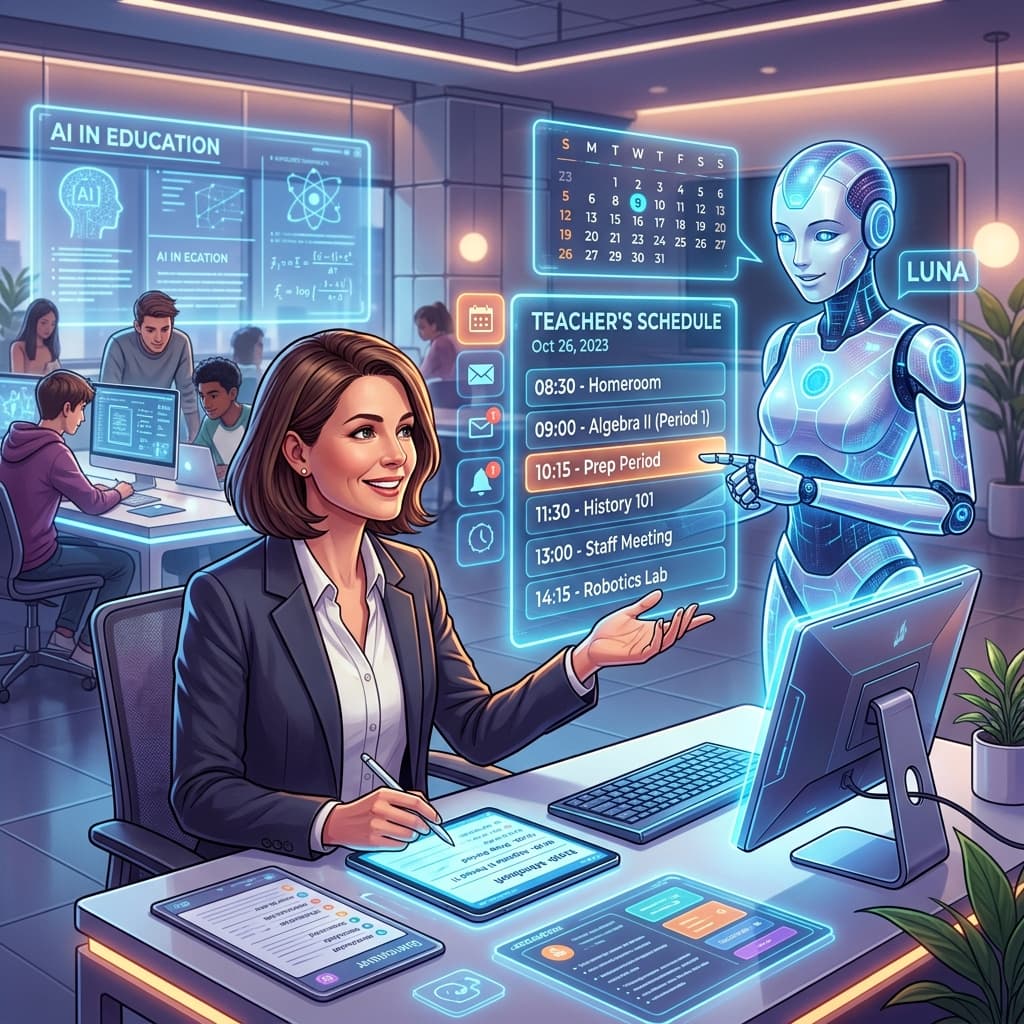
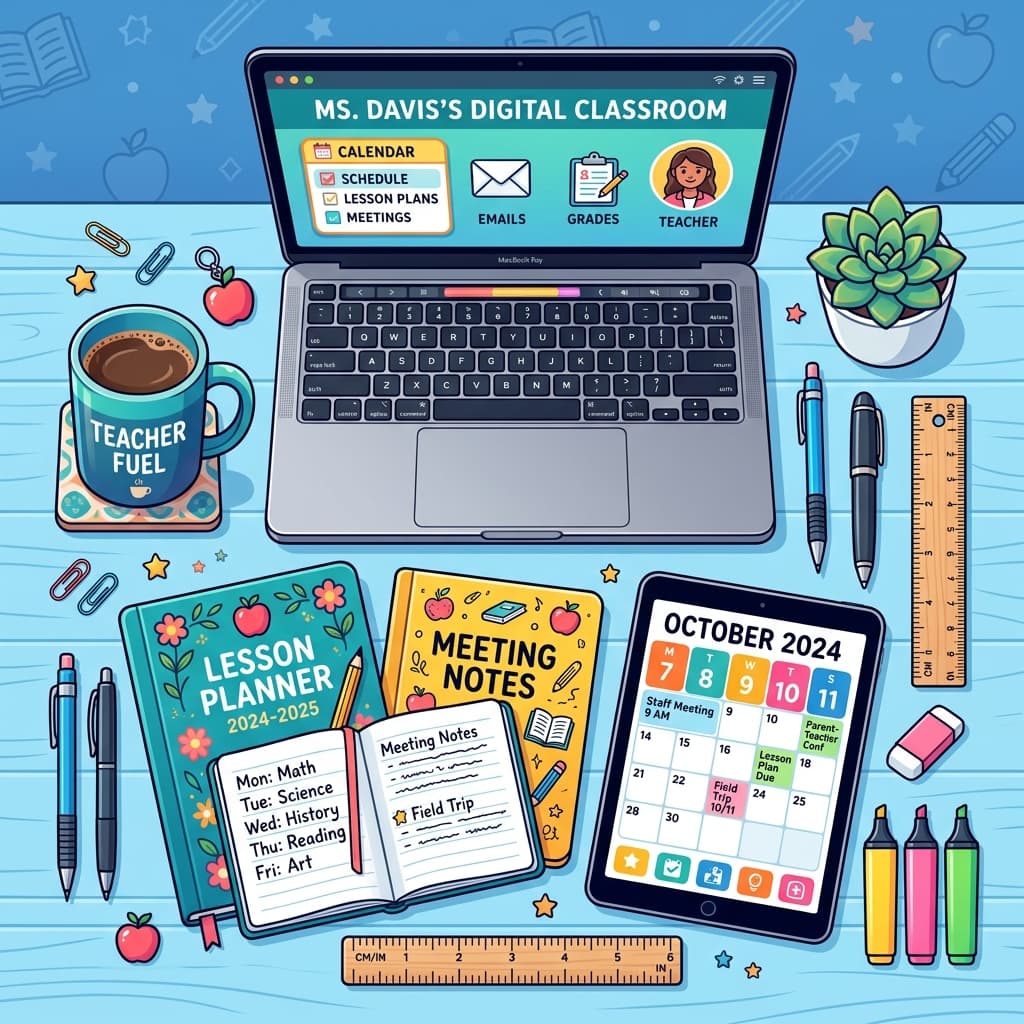
The Shift from Educator to Entertainer
In many South African staffrooms, the conversation has shifted. It is no longer just about whether our learners are meeting the requirements of the Annual Teaching Plans (ATPs) or if they are prepared for the June examinations. Increasingly, teachers are asking themselves: "How do I keep them interested for forty minutes without them checking out?"
The modern classroom has become a stage, and the teacher is often the reluctant lead performer. From the Foundation Phase where teachers are expected to maintain a high-energy "theatre-like" presence, to the FET phase where educators compete with the dopamine hits of TikTok and YouTube, the pressure to "entertain" is at an all-time high. But why has this happened, and at what cost to the quality of education in South Africa?
This post dives deep into the psychological, social, and systemic reasons behind this pressure, providing South African educators with a roadmap to move from "entertainment" back to "engagement" through the strategic use of AI-powered tools from SA Teachers.
The Dopamine Economy and the Classroom
We cannot ignore the digital landscape our learners inhabit. Today’s South African youth are the most "connected" generation in our history. Even in under-resourced areas, the influence of short-form video content and gamified apps has fundamentally altered how brains process information.
When a learner spends their weekend consuming high-speed, algorithmically curated content, a forty-minute lesson on the nuances of the South African Constitution or the intricacies of Euclidean Geometry can feel painfully slow. Teachers feel this "attention gap" and instinctively try to fill it by amping up their performance.
The "TikTok-ification" of Learning
Learners now expect immediate results and constant stimulation. If a concept isn't "fun" within the first sixty seconds, they often disengage. This puts an immense psychological burden on the teacher to be a comedian, a storyteller, and a multimedia expert all at once.
Systemic Pressures: The ATPs and the DBE
The Department of Basic Education (DBE) provides a rigid framework through the CAPS curriculum and the ATPs. Teachers are under massive pressure from School Management Teams (SMTs) to "finish the syllabus."
When learners are bored, they become a classroom management challenge. Disruptive behaviour slows down the pace of teaching, making it impossible to meet the ATP deadlines. Consequently, many teachers feel that if they don't keep the learners "entertained," they will lose control of the room, fall behind the schedule, and face the wrath of district officials during moderation.
The Fear of Being "The Boring Teacher"
There is also a social component. In the age of "Rate My Teacher" sentiments and school choice, schools often market themselves based on how "happy" and "excited" the learners are. This creates a culture where an educator who focuses on quiet, contemplative, and sometimes difficult cognitive work is seen as "outdated," while the teacher who uses trendy memes and constant games is lauded, regardless of the actual learning outcomes.
Engagement vs. Entertainment: Defining the Difference
It is vital to distinguish between these two concepts.
- Entertainment is passive. The learner sits back and watches the "show." They may enjoy it, but cognitive load is low.
- Engagement is active. The learner is cognitively invested in the task. They are thinking, questioning, and applying knowledge.
The pressure to entertain often leads to "shallow learning." We might have a room full of smiling children, but if they haven't internalised the core concepts of the lesson, we haven't actually taught them.
How to Reclaim Your Role (Without Losing the Class)
The solution isn't to become a boring lecturer. The solution is to use technology to handle the "heavy lifting" of preparation and differentiation, allowing you to focus on high-impact instructional strategies. This is where sateachers.co.za becomes your greatest ally.
1. Let AI Handle the Creative Heavy Lifting
The biggest drain on a teacher’s energy is the "prep." Trying to come up with exciting hooks for every single lesson is exhausting.
By using the CAPS-Aligned Lesson Planner on SA Teachers, you can generate structured, engaging lesson outlines in seconds. Instead of staring at a blank page trying to figure out how to make "Soil Erosion" interesting for Grade 7s, the AI can suggest creative introductory activities, real-world South African case studies, and interactive elements that align perfectly with the DBE requirements. This takes the pressure off you to be the "source of all fun" and puts the focus back on the curriculum.

2. Differentiate Effortlessly with the Worksheet & Exam Generator
A major reason learners disengage is that the work is either too hard (leading to frustration) or too easy (leading to boredom). Entertaining them is often a "band-aid" for a lack of differentiation.
With the Worksheet & Exam Generator, you can instantly create multiple versions of a task. You can generate a foundational worksheet for those struggling with the basics and a "challenge" version for your top achievers. When learners are working at their correct "Zone of Proximal Development," they are naturally engaged, and the need for the teacher to "perform" diminishes.
3. Empower Independent Learning with the AI Tutor
One of the most exhausting parts of teaching is the repetitive nature of answering the same questions fifty times. This is where teachers start to feel like "performing parrots."
By introducing the AI Tutor from SA Teachers into your classroom (or as a homework resource), you give learners a 24/7 assistant. This tool is designed to guide learners through problems rather than just giving answers. When learners feel empowered to find their own solutions, their intrinsic motivation increases. You shift from being the "entertainer-in-chief" to being a facilitator of high-level thinking.
We must talk about teacher burnout. The South African education system is already demanding—large class sizes, administrative overloads, and socio-economic challenges make the job difficult enough. Adding the requirement to be a "high-energy performer" every day is a recipe for mental health struggles.
Many teachers report feeling "empty" by the end of the school day. This "emotional labor"—the effort required to maintain a certain persona to keep learners focused—is a major contributor to the high attrition rates in the profession.
Reducing Admin to Save Your Voice
If you spend your afternoons writing report comments and grading essays manually, you won't have the emotional energy to be present in the classroom the next morning.
- The Essay Grader & Rubric Creator: This tool allows you to upload learner essays and receive objective, rubric-based feedback instantly. It ensures consistency and saves hours of grading, allowing you to return scripts with meaningful feedback that actually helps learners improve.
- Report Comments Generator: We all know the "term-end dread." Using our generator allows you to create personalised, professional, and CAPS-compliant comments in a fraction of the time.
By automating these administrative burdens, you preserve your "emotional fuel" for the moments that truly matter: the one-on-one interactions with a learner who is struggling or the facilitation of a deep classroom debate.
Consider Mrs. Dlamini, a Grade 10 History teacher. She felt she had to show constant videos and play games to keep her class interested in the Industrial Revolution. She was exhausted and her learners’ test scores were mediocre.
The Shift:
- Preparation: She used the Study Guide Creator to develop a concise, visually appealing summary of the topic for her learners.
- Instruction: Instead of "performing," she used the CAPS-Aligned Lesson Planner to set up a "flipped classroom" model.
- Assessment: She used the Worksheet Generator to create a data-response task based on local South African industrial history.
The Result:
The learners were busier than the teacher. They were analyzing sources, debating in small groups, and using the AI Tutor on their phones to clarify difficult terms. Mrs. Dlamini spent her time walking around the room, engaging in deep conversations with individual learners. She didn't have to "entertain" them because they were too busy "doing" the history.
Actionable Strategies for the South African Teacher
If you feel the pressure to entertain, here are four practical steps to pivot:
1. Focus on the "Hook," Not the "Show"
A lesson doesn't need to be a circus. It just needs a "hook." Use the first five minutes to present a mystery, a controversial statement, or a real-world problem. Once the learners are curious, the "entertainment" part is over, and the "learning" part begins.
2. Use Gamification Wisely (and Automate It)
Gamification is great, but don't spend three hours making a game that lasts ten minutes. Use AI to generate quiz questions and then plug them into simple classroom tools.
3. Set Clear Cognitive Expectations
Be honest with your learners. Tell them: "This part of the lesson is going to be difficult. It requires deep focus, and it might not feel 'fun' right now, but the satisfaction of mastering it will be worth it." Building "cognitive stamina" is a vital life skill that entertainment-based teaching often ignores.
4. Leverage the SA Teachers Suite
Stop reinventing the wheel. The tools at sateachers.co.za are specifically built for our context. They understand the CAPS requirements and the specific pressures South African teachers face.
- Study Guide Creator: Help your learners help themselves. A well-structured study guide reduces their anxiety and increases their engagement.
- Rubric Creator: Make your expectations crystal clear. When learners know exactly how they are being measured, they are more likely to take the work seriously.
Conclusion: You Are an Educator, Not an Actor
The pressure to entertain is a symptom of a changing world, but it shouldn't define your career. Our job as South African educators is to prepare the next generation for the complexities of the world—and that world requires discipline, critical thinking, and the ability to focus on tasks that aren't always "fun."
By embracing AI tools, we can strip away the unnecessary administrative burdens that drain our energy. We can provide high-quality, differentiated instruction that engages learners' minds without needing to perform a "song and dance" every period.
Reclaim your time. Reclaim your energy. And most importantly, reclaim the joy of actual teaching.
Ready to transform your classroom? Explore the SA Teachers AI Tools today and start working smarter, not harder.
SA
Dedicated to empowering South African teachers through modern AI strategies, research-backed pedagogy, and policy insights.