Unlocking CAPS Potential: Case Study 57 - AI Integration in South African Classrooms
The landscape of South African education is in constant evolution, and at its heart lies the Curriculum and Assessment Policy Statement (CAPS). For Grades R-12 educators across our diverse nation, CAPS provides the framework for effective teaching and learning. Yet, the journey of implementing CAPS can be challenging, demanding innovative solutions to address varied classroom realities, resource constraints, and the ever-growing need for personalised learning.
In this, Case Study 57, we delve into a compelling exploration of how Artificial Intelligence (AI) is not just a futuristic concept, but a tangible tool capable of revolutionising CAPS implementation within the South African context. We’ll move beyond theoretical discussions and examine practical applications, drawing on insights relevant to our unique educational ecosystem, from the bustling urban centres to the most remote rural schools.
The CAPS Challenge: Beyond the Syllabus
Let's be frank. Implementing CAPS effectively means more than ticking off syllabus points. It’s about fostering critical thinking, problem-solving skills, and a deep understanding of concepts relevant to our learners’ lives and future contributions to South Africa. This often translates to:
- Differentiated Instruction: Catering to a wide range of learning abilities and paces within a single classroom. This is a significant hurdle, especially in under-resourced schools where teacher-student ratios can be high.
- Assessment and Feedback: Providing timely, constructive, and actionable feedback is crucial for learner progress. However, marking large volumes of work can be time-consuming, limiting the frequency and depth of feedback.
- Resource Limitations: Access to up-to-date textbooks, supplementary materials, and technology can vary dramatically across South Africa. Teachers often have to be incredibly resourceful.
- Teacher Workload: The demands on South African teachers are immense, encompassing lesson planning, teaching, assessment, administration, and often, community engagement.
AI as a Catalyst for CAPS Excellence: Case Study 57 in Action
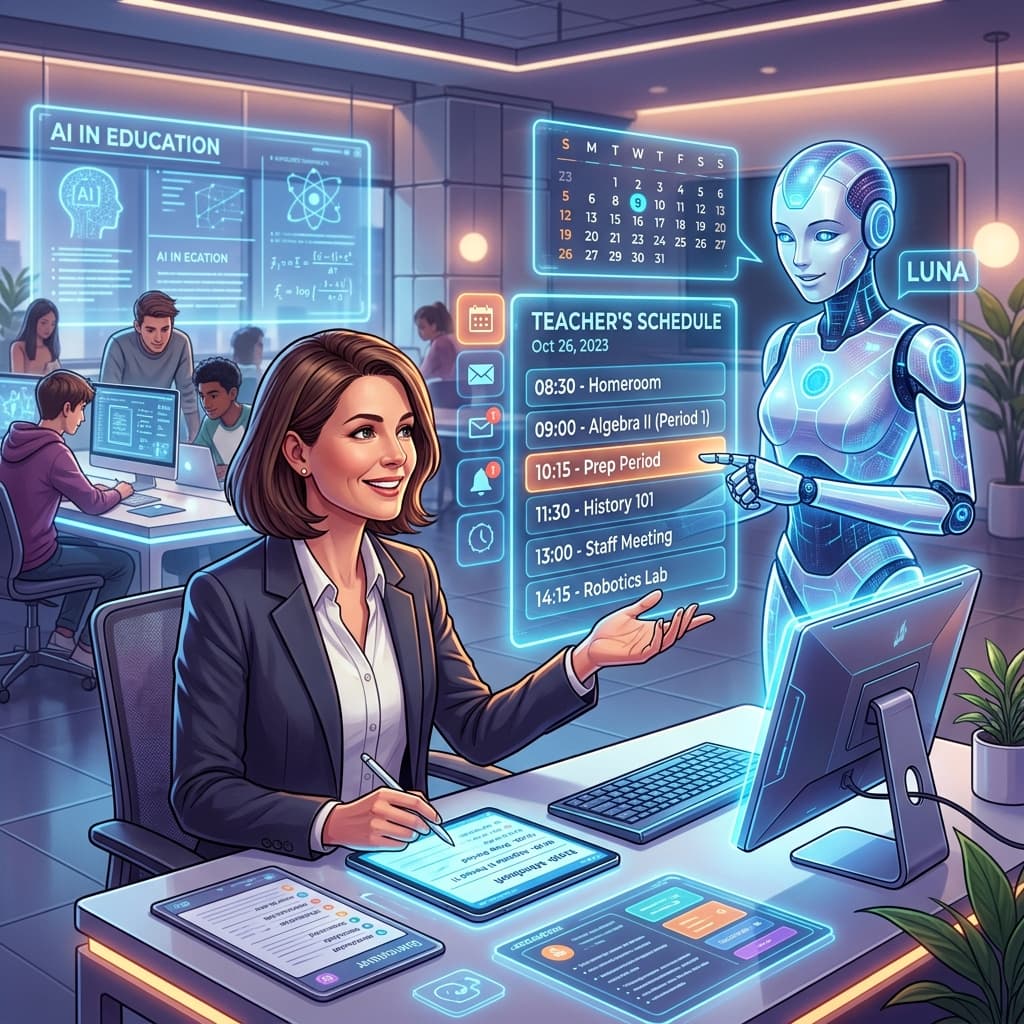
Case Study 57 isn't about replacing the invaluable role of the teacher. Instead, it showcases AI as a powerful assistant, an intelligent partner that can amplify teachers’ efforts and unlock new possibilities for CAPS delivery. This case study highlights several key AI applications and their impact on South African classrooms:
1. Personalised Learning Pathways: Tailoring CAPS to Each Learner
One of the most significant challenges in CAPS implementation is providing truly personalised learning experiences. AI excels here.
How it works: AI-powered platforms can analyse a learner’s performance on quizzes, assignments, and even their engagement with learning materials. Based on this data, they can identify areas of strength and weakness.
Practical Application for South African Teachers:
Imagine a Grade 9 Mathematics teacher using an AI tool to generate adaptive practice exercises. If a learner struggles with fractions, the AI can automatically provide more foundational exercises on that topic, reinforcing CAPS objectives without the teacher needing to manually create differentiated worksheets. Conversely, learners who demonstrate mastery can be presented with more challenging problems, aligning with the higher cognitive demands of CAPS. This liberates the teacher to focus on more complex conceptual explanations and individual support.
SEO Keywords: AI in education South Africa, CAPS curriculum support, personalised learning, adaptive learning platforms, Grade 9 Maths, differentiated instruction.
2. Intelligent Assessment and Feedback: Saving Time, Enhancing Impact
The burden of assessment is a well-documented challenge. AI offers a powerful solution to streamline this process and improve the quality of feedback.
How it works: AI can automate the grading of objective assessments (multiple-choice, true/false, fill-in-the-blanks). More advanced AI can even provide preliminary feedback on written assignments, identifying common grammatical errors, suggesting improvements in structure, and flagging potential plagiarism.
Practical Application for South African Teachers:
Consider a Grade 7 English FAL (First Additional Language) teacher. Instead of spending hours marking essays for basic grammar and spelling, an AI tool can provide instant feedback on these aspects. This allows the teacher to dedicate their valuable time to providing more nuanced feedback on content, argumentation, and creative expression, directly addressing the higher-order thinking skills embedded in the CAPS English FAL syllabus. Furthermore, AI can help identify recurring errors across the class, enabling the teacher to plan targeted mini-lessons.
SEO Keywords: AI grading tools, automated assessment, constructive feedback, South African teachers, CAPS English, Grade 7 FAL, teacher workload reduction.
3. Resource Curation and Content Generation: Bridging the Gap
Resource scarcity is a persistent issue in many South African schools. AI can act as a powerful content curator and even a generator of supplementary materials.
How it works: AI algorithms can search vast databases of educational content (articles, videos, simulations) and recommend resources aligned with specific CAPS topics and grade levels. Some AI tools can even generate personalised quizzes, summaries, or explanations of complex concepts.
Practical Application for South African Teachers:
A Grade 4 Natural Sciences teacher in a rural school, with limited access to science equipment, can use an AI tool to find engaging virtual experiments or high-quality explanatory videos that illustrate CAPS concepts like the water cycle or different states of matter. The AI can even help generate age-appropriate reading passages or simple comprehension questions to reinforce learning, acting as a digital supplement to traditional textbooks. This democratises access to rich learning materials.
SEO Keywords: Educational AI tools, CAPS curriculum resources, content generation, supplementary materials, Grade 4 Science, rural education South Africa, virtual experiments.
4. Enhanced Engagement and Motivation: Making Learning Dynamic
Keeping learners engaged, especially in large and diverse classrooms, is a constant pursuit. AI can introduce elements of gamification and interactive learning that align with CAPS's emphasis on active participation.
How it works: AI can power interactive learning games, chatbots that answer student questions in real-time, and personalised learning dashboards that track progress and offer encouragement.
Practical Application for South African Teachers:
For a Grade 10 Accounting class, AI-powered chatbots can act as on-demand tutors, answering common questions about debits and credits or financial statement preparation outside of class hours. This allows learners to get immediate clarification, preventing them from falling behind. Gamified AI platforms can turn rote memorisation of accounting principles into engaging challenges, fostering a more positive attitude towards a subject that some learners find daunting, all while ensuring CAPS objectives are met.
SEO Keywords: AI for student engagement, educational chatbots, gamified learning, CAPS Accounting, Grade 10, interactive learning, motivation in the classroom.
The Human Element: AI as a Teacher's Ally, Not a Replacement
It's crucial to reiterate that AI is a tool. The teacher's pedagogical expertise, their understanding of the learners' socio-emotional needs, and their ability to foster a positive classroom environment are irreplaceable. Case Study 57 demonstrates that AI’s true power lies in its ability to:
- Free up Teacher Time: By automating repetitive tasks, AI allows teachers to focus on higher-value activities like individual student support, creative lesson design, and professional development.
- Provide Data-Driven Insights: AI can offer teachers a deeper understanding of individual and class-wide learning patterns, enabling more informed instructional decisions.
- Enhance Learner Agency: AI tools can empower learners to take more ownership of their learning journey, fostering independence and self-directed study.
Navigating the Future: Practical Steps for SA Educators
Embracing AI in CAPS implementation doesn't require a complete overhaul of your teaching practice overnight. Here are practical steps South African teachers can take:
- Start Small: Explore free AI tools or trial versions of paid platforms. Focus on one specific area, such as automated quiz generation or a tool for grammar checking.
- Professional Development: Seek out training sessions and workshops focused on AI in education, specifically those tailored to the South African context. Engage with online communities of practice.
- Collaborate: Share your experiences, successes, and challenges with colleagues. Learning from each other is invaluable.
- Understand Your School's Infrastructure: Be realistic about the technological capabilities and internet access available in your school and community. Choose AI tools that are accessible.
- Focus on Pedagogy: Always ask: "How can this AI tool help me better achieve the CAPS learning outcomes and better support my learners?" The technology should serve the teaching.
Conclusion: A Smarter Approach to CAPS
Case Study 57 offers a hopeful glimpse into the future of South African education. By strategically integrating AI, we can move beyond the challenges of CAPS implementation and create more dynamic, personalised, and effective learning experiences for all our learners. AI is not a threat to the teaching profession; it is an opportunity to elevate it, empowering South African teachers to do what they do best: inspire, educate, and shape the future of our nation.
Remember to share this article with your colleagues! Let's continue the conversation and unlock the full potential of CAPS with the smart assistance of AI.
Siyanda M.
Dedicated to empowering South African teachers through modern AI strategies, research-backed pedagogy, and policy insights.