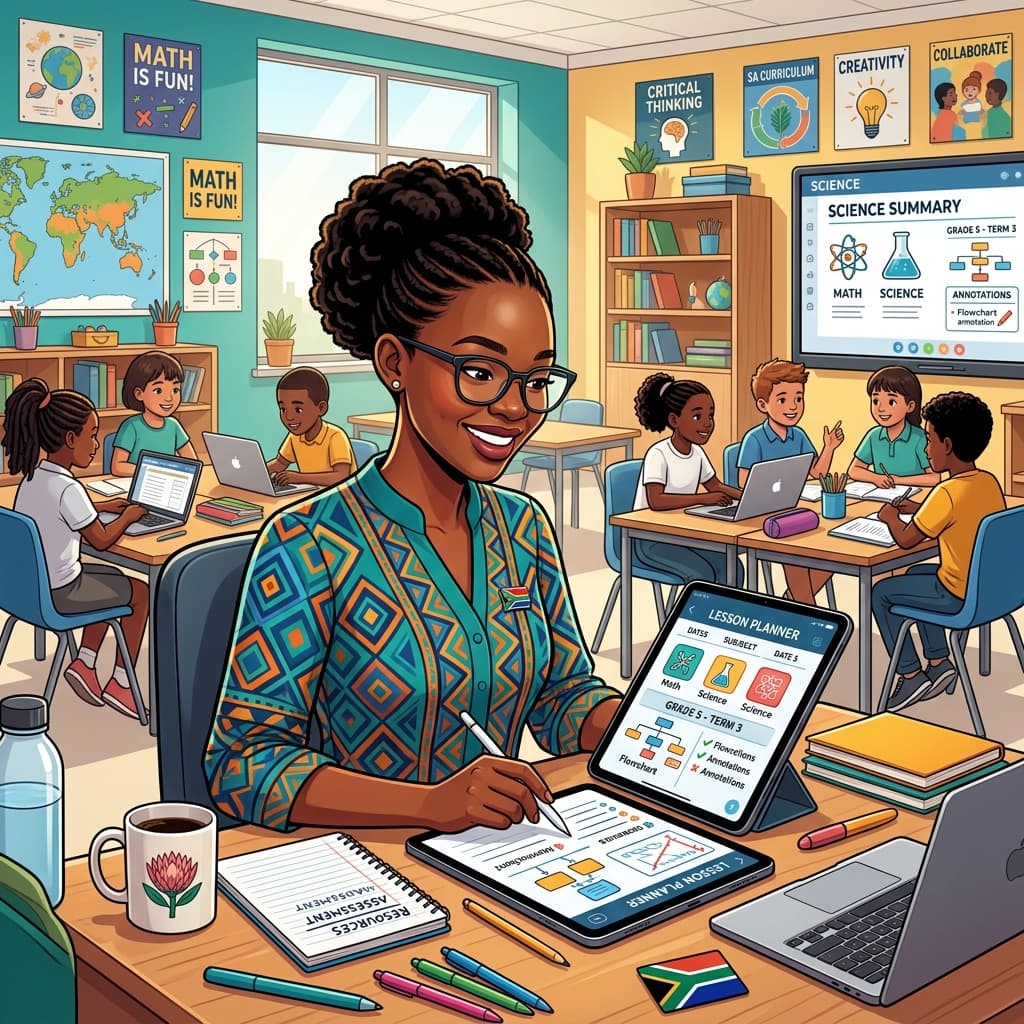
Project-Based Learning in Rural South Africa: Case Study 82 - Empowering Learners, Bridging Divides
The South African educational landscape, particularly in our diverse rural settings, presents unique challenges and immense opportunities. As educators, we constantly seek innovative approaches to ignite curiosity, foster critical thinking, and equip our learners with the skills they need to thrive, not just within the confines of the classroom, but in the broader South African context. Project-based learning (PBL) has emerged as a powerful pedagogical tool, and Case Study 82 offers a compelling glimpse into its transformative potential within a rural school environment. This article delves into the practical application of PBL, grounded in South African methodologies and the CAPS curriculum, demonstrating how it can effectively bridge resource gaps and empower our learners, from Foundation Phase to the Senior Secondary.
Understanding Project-Based Learning in the South African Context
At its core, Project-Based Learning is an instructional approach that allows learners to explore real-world problems, challenges, and questions over an extended period. Instead of passively receiving information, students actively engage in inquiry, investigation, and creation, culminating in a tangible product or presentation. In South Africa, this translates to designing projects that are not only aligned with the Curriculum and Assessment Policy Statement (CAPS) but also deeply relevant to the local socio-economic and environmental realities of our rural communities.
The beauty of PBL in our context lies in its inherent flexibility and adaptability. It doesn't require state-of-the-art technology or vast material resources to be effective. Instead, it leverages what is readily available: the learners themselves, their innate curiosity, the collective knowledge of their community, and the abundant natural resources often found in rural areas. This aligns perfectly with the spirit of the CAPS curriculum, which emphasizes deep understanding, critical thinking, problem-solving, and the development of life and work skills.
Case Study 82: A Rural School's Journey with PBL
Case Study 82, which we will explore here, originates from a quintessentially rural school in the Eastern Cape. Facing limitations in terms of access to specialized equipment and a diverse range of learning materials, the educators recognized the need for an approach that could foster engagement and provide meaningful learning experiences. They opted to implement PBL across various subject areas, focusing on themes directly relevant to their learners' lives.
Foundation Phase (Grades R-3): Nurturing Early Explorers
For the Foundation Phase learners, the focus was on sensory exploration and foundational literacy and numeracy skills. A project titled "Our Local Garden" was initiated. This project integrated aspects of Life Skills (understanding plants, growth, and healthy eating), Natural Sciences (observing plant life cycles), Mathematics (counting seeds, measuring growth), and Language (describing observations, creating simple stories).
- CAPS Alignment: The project directly addressed CAPS outcomes for understanding living things, developing early mathematical concepts, and enhancing oral and written language.
- Practical Implementation: Teachers guided learners in planting a small school garden. Learners collected seeds from local indigenous plants, observed germination, measured plant growth using simple rulers, and documented their findings through drawings and basic sentences. They also learned about the importance of water and sunlight.
- Community Involvement: Parents were invited to share their knowledge of traditional farming methods and local edible plants.
- Learner Empowerment: Young learners developed a sense of ownership and responsibility for their garden. They experienced the direct impact of their actions and learned valuable lessons about nature and sustenance in a tangible, hands-on manner.
Intermediate Phase (Grades 4-6): Building Bridges of Understanding
In the Intermediate Phase, projects became more interdisciplinary and focused on problem-solving. Case Study 82 saw the implementation of a project called "Improving Our School Environment."
- CAPS Alignment: This project seamlessly integrated Social Sciences (understanding community needs, local governance), Natural Sciences (waste management, environmental impact), Mathematics (measuring areas, calculating material needs), and Creative Arts (designing posters, creating models).
- Practical Implementation: Learners identified areas within the school that needed improvement, such as litter management or a lack of shade. They researched potential solutions, surveyed fellow learners and teachers, and developed proposals. For instance, a group might research ways to recycle plastic bottles for creative art projects that beautify the school grounds, or design a rainwater harvesting system for the school garden. They learned about the principles of recycling, water conservation, and basic design.
- Resourcefulness: Instead of relying on expensive materials, learners were encouraged to use recycled and repurposed items. Old tyres became planters, plastic bottles were transformed into decorative elements, and scrap wood was used for basic construction.
- Collaborative Learning: Students worked in teams, fostering communication, negotiation, and shared responsibility. They learned to present their ideas and defend their solutions.
Senior Phase (Grades 7-9): Tackling Real-World Challenges
The Senior Phase projects in Case Study 82 delved into more complex, community-oriented issues. One notable project was "Local Economic Development Through Sustainable Agriculture."
- CAPS Alignment: This project extensively covered Economic Management Sciences (understanding local economies, entrepreneurship), Agricultural Sciences (sustainable farming practices, crop rotation), Natural Sciences (soil health, pest control), and Business Studies (basic marketing, financial literacy).
- Practical Implementation: Learners researched viable agricultural opportunities within their region, considering local climate, soil type, and market demand. They developed business plans for small-scale farming ventures, such as cultivating indigenous vegetables or medicinal herbs. They learned about crop rotation, natural pest control methods, and the importance of soil enrichment, often using compost made from organic waste. They also explored basic marketing strategies, such as selling produce at local markets or to school canteens.
- Entrepreneurial Spirit: The project aimed to instill an entrepreneurial mindset, empowering learners to see potential economic opportunities within their communities.
- Problem-Solving and Critical Thinking: Learners had to critically analyze challenges, such as water scarcity or access to markets, and devise innovative solutions. They learned to research, plan, execute, and evaluate their ventures.
Further Education and Training (FET) Phase (Grades 10-12): Towards Future Careers
In the FET Phase, PBL projects become even more sophisticated, often preparing learners for post-schooling opportunities. Case Study 82 showcased a project focused on "Community Health and Awareness."
- CAPS Alignment: This project integrated Life Sciences (understanding diseases, nutrition, hygiene), Physical Sciences (basic understanding of sanitation, water purification), Social Sciences (health disparities, community outreach), and Consumer Studies (healthy eating, budgeting).
- Practical Implementation: Learners investigated prevalent health issues in their community, such as malnutrition or waterborne diseases. They then developed awareness campaigns, creating informational posters, delivering presentations to younger learners and community members, and even demonstrating healthy cooking methods using locally available produce. They might research and present on the importance of boiling water or demonstrate how to build a simple sand filter for water purification, drawing on principles of physical sciences.
- Skill Development: Learners honed their research, communication, and presentation skills. They also developed empathy and a sense of social responsibility.
- Real-World Impact: The projects had a tangible impact on the community, empowering individuals with knowledge and promoting healthier practices.
Key Success Factors in Case Study 82
Several factors contributed to the success of PBL in Case Study 82:
- Teacher Training and Support: Educators received targeted training on PBL methodologies and how to adapt them to resource-constrained environments. Ongoing professional development and peer-to-peer learning were crucial.
- Curriculum Integration: Projects were not seen as add-ons but as integral parts of the CAPS curriculum, ensuring all learning objectives were met.
- Community Partnerships: Strong collaboration with parents, local leaders, and community organizations provided valuable resources, expertise, and a sense of shared purpose.
- Learner Voice and Choice: Allowing learners to have a say in project topics and how they approached them fostered greater engagement and ownership.
- Focus on Process over Product: While tangible outcomes were important, the emphasis was on the learning journey, the skills developed, and the critical thinking processes employed.
- Celebrating Success: Acknowledging and celebrating learner achievements, no matter how small, boosted morale and encouraged continued effort.
Practical Advice for Implementing PBL in Your Rural School
Inspired by Case Study 82, here's practical advice for South African teachers looking to implement PBL:
- Start Small and Simple: Don't try to overhaul your entire teaching practice overnight. Begin with one subject or a few lessons, focusing on a manageable project.
- Leverage Your Local Context: What are the pressing issues or interesting features of your community? Use these as starting points for your projects. Think about local agriculture, traditional crafts, environmental challenges, or community needs.
- Align with CAPS: Carefully map your project ideas to the specific learning outcomes and assessment standards of the CAPS curriculum for your grade level and subject. This ensures that your PBL activities are not just engaging but also academically rigorous.
- Resourcefulness is Key: Embrace the "less is more" philosophy. Use recycled materials, natural resources, and community knowledge. Encourage learners to be creative in finding solutions with what they have.
- Foster Collaboration: PBL thrives on teamwork. Design projects that require learners to work together, share ideas, and solve problems collectively.
- Embrace Inquiry: Encourage learners to ask questions, investigate, and explore. Guide them in finding their own answers rather than simply providing them.
- Scaffold Learning: Provide clear guidance and support, especially in the initial stages. Break down complex projects into smaller, manageable steps.
- Authentic Assessment: Think beyond traditional tests. Assess learning through observations, project products, presentations, self-reflections, and peer assessments.
- Build Community Partnerships: Reach out to parents, local businesses, NGOs, and community leaders. They can offer valuable expertise, resources, and real-world connections for your projects.
- Be Patient and Persistent: Implementing PBL takes time and effort. There will be challenges, but the rewards in terms of learner engagement, critical thinking, and skill development are immense.
Conclusion
Case Study 82 demonstrates that Project-Based Learning is not a luxury reserved for well-resourced schools. It is a powerful, adaptable, and effective pedagogical approach that can thrive in the unique context of rural South Africa. By grounding PBL in our CAPS curriculum, embracing resourcefulness, and fostering strong community connections, we can empower our learners, ignite their passion for learning, and equip them with the skills and confidence to shape a brighter future for themselves and their communities. Let us embrace the spirit of innovation and unlock the transformative potential of PBL in every South African classroom.
Siyanda M.
Dedicated to empowering South African teachers through modern AI strategies, research-backed pedagogy, and policy insights.