Understanding the Weight of Assessment in the South African Classroom
In the South African educational landscape, the pressure of assessments is a palpable force. From the Foundation Phase, where the building blocks of literacy and numeracy are laid, to the high-stakes environment of the FET (Further Education and Training) phase and the National Senior Certificate (NSC), learners are constantly measured. This pressure often manifests as "test anxiety"—a psychological state that can impede a student’s ability to recall information, process complex instructions, and demonstrate their true potential.
As educators, we are bound by the Department of Basic Education’s (DBE) Annual Teaching Plans (ATPs) and the rigorous requirements of the Curriculum and Assessment Policy Statement (CAPS). However, achieving academic excellence should not come at the cost of our learners' mental well-being. Reducing learner anxiety is not merely about "being kind"; it is a pedagogical necessity. When the brain is under significant stress, the prefrontal cortex—the area responsible for executive function and problem-solving—is effectively hijacked by the amygdala.
To combat this, we must move beyond traditional "revision" and look at holistic strategies that combine emotional support with high-efficiency teaching tools.
The Role of Preparation in Combating the Unknown
Anxiety is often rooted in uncertainty. When a learner is unsure of what content will be covered, what format the questions will take, or whether they have adequately covered the ATP requirements, their stress levels skyrocket.
1. Transparency through CAPS Alignment
The first step in reducing anxiety is ensuring that learners feel the "map" of the term is clear. This starts with the teacher's own organization. If a teacher is scrambling to finish a syllabus three days before a Controlled Test, that panic transfers directly to the students.
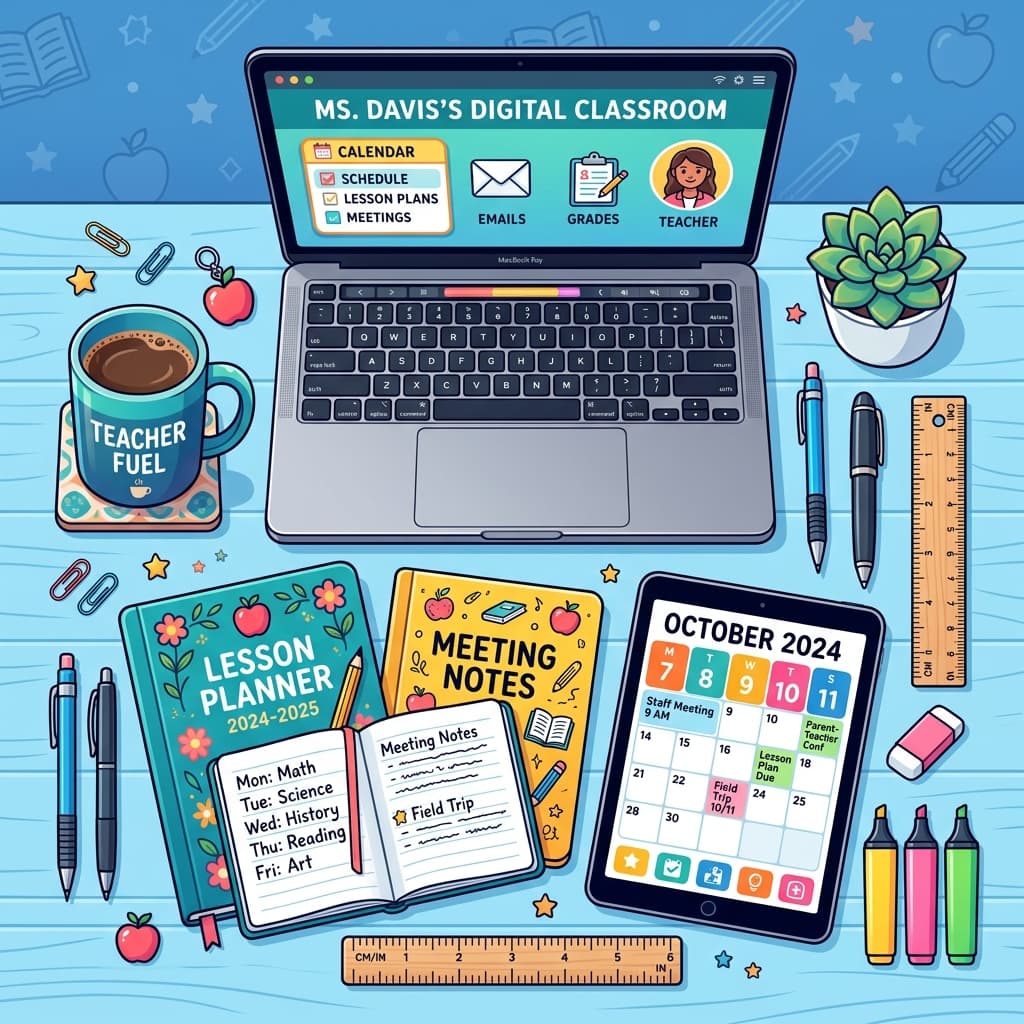
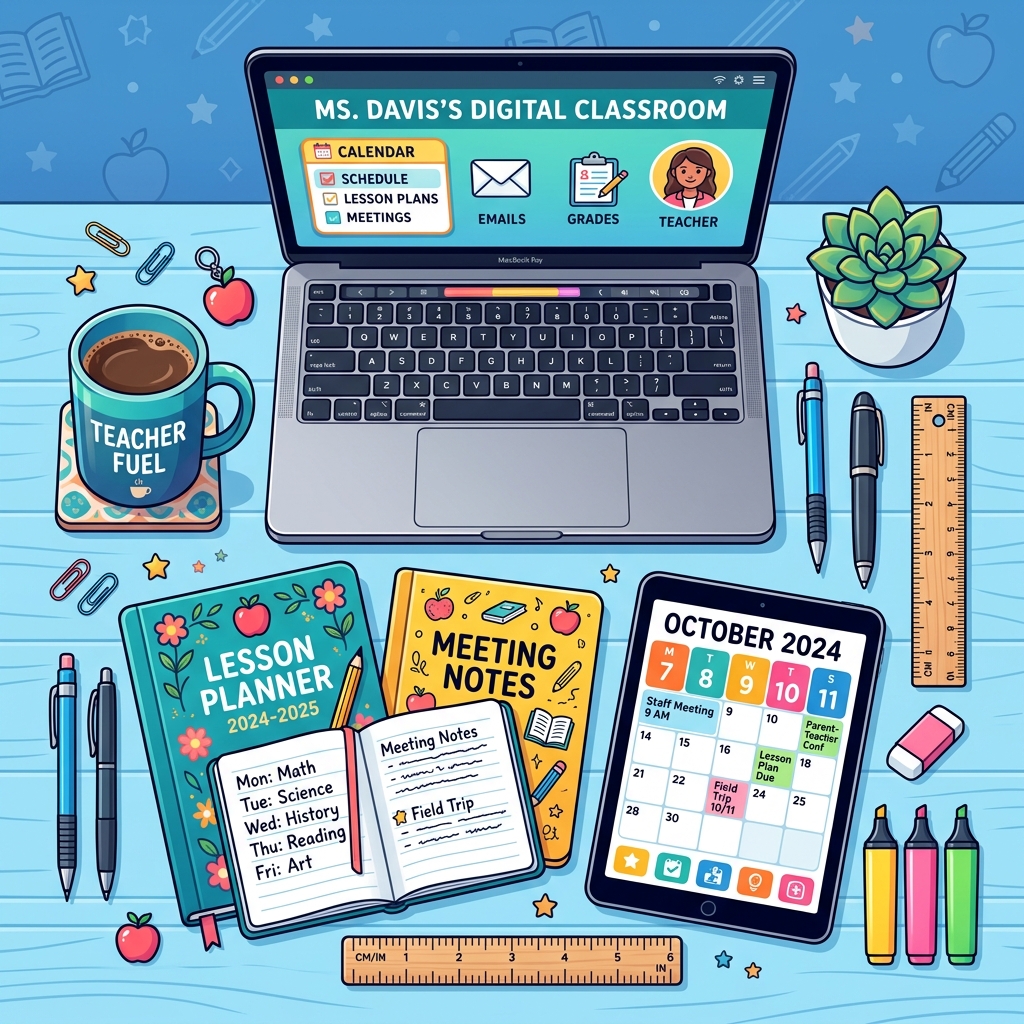
By using the CAPS-Aligned Lesson Planner on sateachers.co.za, educators can ensure that every lesson is precisely mapped to the required outcomes. When you can show your learners a clear timeline of what has been covered and what is expected, you replace chaos with a sense of order. This tool allows teachers to break down complex subjects into manageable chunks, preventing the "content overload" that often leads to pre-exam meltdowns.
2. Eliminating the "Surprise" Factor with Mock Assessments
One of the most effective ways to desensitize learners to test anxiety is through repeated, low-stakes exposure. The fear of an exam often stems from the format of the paper itself.
The Worksheet & Exam Generator allows teachers to produce high-quality, CAPS-compliant practice materials in seconds. By providing learners with multiple "mock" sessions that mimic the layout, font, and questioning style of the formal SBA (School-Based Assessment), the actual test day feels like just another day in class. Familiarity breeds confidence.
Scaffolding Success: Study Skills and Resource Accessibility
Many South African learners struggle with anxiety because they simply do not know how to study. They might stare at a textbook for hours without retaining information, leading to a sense of hopelessness.
The Power of Structured Study Guides
A cluttered textbook can be overwhelming for a learner already prone to anxiety. Educators can mitigate this by providing streamlined, focused resources. The Study Guide Creator on SA Teachers enables educators to distill complex chapters into essential summaries, mind maps, and key definitions.
When a learner has a study guide that is directly aligned with what will be tested, the "mountain" of work suddenly looks like a series of small, climbable hills. This scaffolding is particularly vital for Intermediate Phase learners who are transitioning from the more nurturing Foundation Phase environment to the more rigorous content demands of Grade 4 to 6.
Often, learners are anxious because they have a "gap" in their knowledge but are too embarrassed to ask for help in a crowded classroom. This is where the AI Tutor becomes a game-changer.
By integrating the AI Tutor into your classroom strategy, you provide learners with a 24/7, non-judgmental assistant. If a Grade 11 learner doesn't understand the nuances of a poem in English Home Language or a specific chemical reaction in Physical Sciences, they can query the AI Tutor. Resolving these "small" misunderstandings prevents them from snowballing into the debilitating belief that they "just don't get the subject."
Shifting the Narrative: From "Trap" to "Opportunity"
How we speak about assessments in the staffroom and the classroom matters. If we frame tests as a way to "catch out" students who haven't worked hard, we fuel an environment of fear. Instead, we must frame assessments as a "temperature check" that helps both the teacher and the learner identify growth areas.
Clear Expectations via Rubrics
Anxiety thrives in ambiguity. If a learner is tasked with a creative writing piece but doesn't understand how they will be marked, they will likely procrastinate or panic.
Using the Essay Grader & Rubric Creator, teachers can generate and share detailed rubrics before the assessment begins. When a learner sees exactly how marks are allocated—for example, how much weight is given to structure versus language usage—the task becomes a set of criteria to be met rather than a subjective hurdle to be cleared.

Fast and Constructive Feedback
The period of waiting for results is often more stressful than the test itself. Prolonged uncertainty keeps cortisol levels high. By using the Essay Grader tool, teachers can drastically reduce their marking turnaround time.
More importantly, the tool helps provide consistent, constructive feedback. Instead of a red-penned "See me," the learner receives specific pointers on how to improve. This turns a "failure" into a stepping stone, reducing the fear associated with the next assessment.
Practical Classroom Management Techniques
Beyond digital tools, the physical and emotional environment of the classroom plays a massive role in learner state-of-mind.
1. The "First Five Minutes" Ritual
Before handing out a test paper, implement a five-minute mindfulness or "brain dump" session. Encourage learners to write down everything they are worried about on a scrap piece of paper, or lead them through a simple 4-7-8 breathing exercise (inhale for 4, hold for 7, exhale for 8). This physiological intervention lowers the heart rate and signals to the brain that it is safe to focus.
2. Optimizing the Environment
Ensure the classroom is well-ventilated and that the seating arrangement doesn't feel cramped. If your School Management Team (SMT) allows it, soft background music during the reading time of an exam can help drown out distracting noises and settle the "fidgety" energy in the room.
3. Language of Encouragement
Use the Report Comments Generator to craft personalized, encouraging feedback even during mid-term checks. Instead of using generic comments, the generator can help you find the right South African context—acknowledging the learner's effort in line with the values of the school and the DBE's goals. When a learner reads a comment that highlights their potential rather than just their percentile, their defensive barriers drop.
Addressing the Diverse Needs of the South African Context
In South Africa, we must also acknowledge that learner anxiety is often compounded by external factors: language barriers (learning in a second or third language), socio-economic stressors at home, and the legacy of an unequal education system.
A one-size-fits-all approach to testing is a guaranteed recipe for high anxiety. While we must adhere to CAPS, the way we prepare learners can be differentiated.
- For the visual learner: Use the Study Guide Creator to emphasize diagrams.
- For the struggling reader: Use the AI Tutor to simplify complex instructions.
- For the high-achiever: Use the Exam Generator to create extension activities that keep them engaged without adding "pressure."
By tailoring the preparation process, you show the learner that you see them as an individual, not just a number on a mark sheet.
The Role of Parents and the SMT
Reducing learner anxiety is a tripartite effort between the teacher, the learner, and the home environment.
- Educate Parents: Many parents unknowingly increase test anxiety by placing undue pressure on results. Use your parent-teacher meetings to explain the "Growth Mindset" and provide them with the study guides you've created on SA Teachers so they can support their children effectively at home.
- SMT Collaboration: Work with your Phase Coordinators and the SMT to ensure that the assessment schedule is balanced. "Assessment clusters" (where three major tests fall on the same day) are a major cause of burnout. Advocating for a spread-out ATP schedule is a vital part of learner advocacy.
Conclusion: Building a Culture of Confidence
Reducing test anxiety is not about making the curriculum "easier" or lowering the standards of the Department of Basic Education. It is about removing the emotional and administrative barriers that prevent learners from showing what they truly know.
By leveraging the AI-powered tools at sateachers.co.za, you can reclaim your time as an educator. When you spend less time manually creating worksheets or struggling with report comments, you have more time to focus on what matters: the emotional and intellectual growth of your students.
A prepared teacher creates a calm classroom. A calm classroom produces confident learners. And confident learners are the ones who will lead South Africa into the future.
Start today by using the CAPS-Aligned Lesson Planner to map out your next term, and watch how a little bit of digital organization can lead to a massive shift in your learners' mental well-being. Together, we can turn the "dreaded exam season" into a season of demonstrated excellence.
SA
Dedicated to empowering South African teachers through modern AI strategies, research-backed pedagogy, and policy insights.