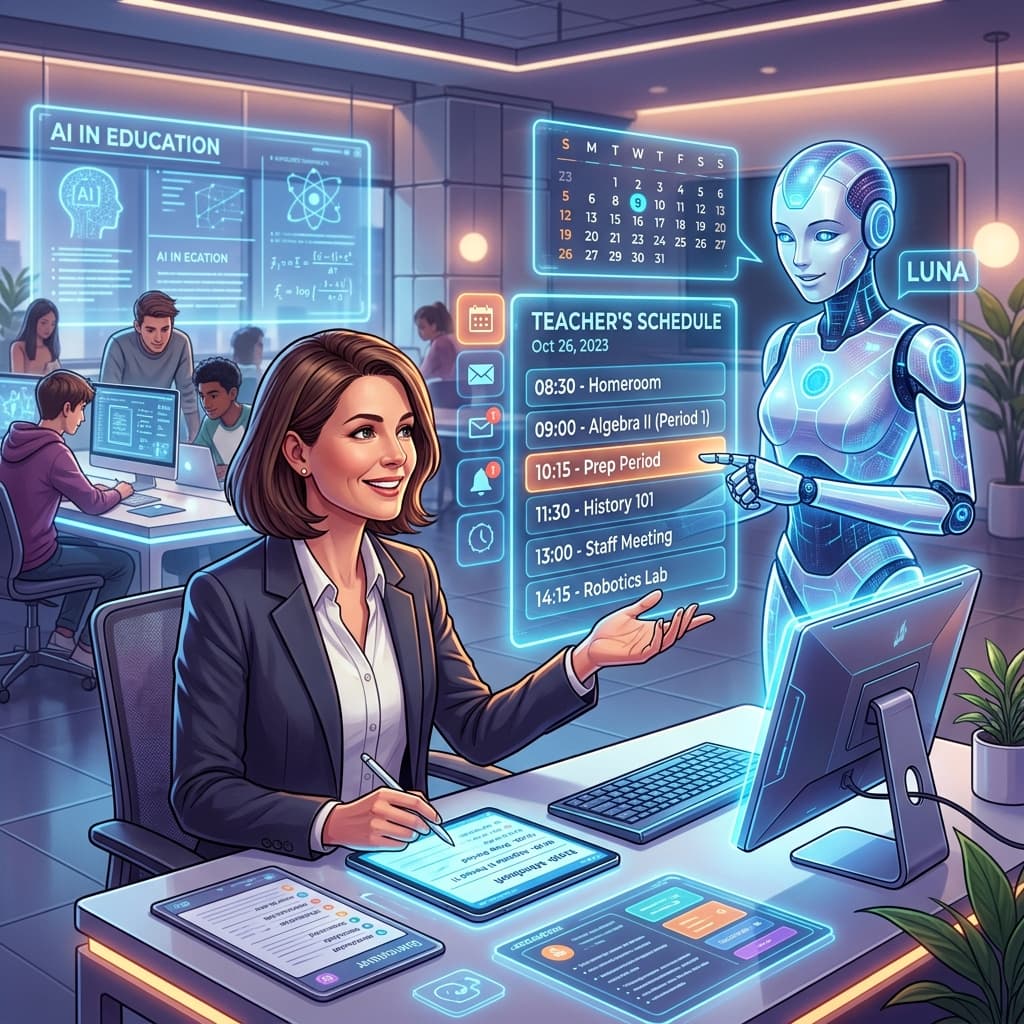
The Great South African Classroom Dilemma: Engagement vs. Order
Every educator in South Africa, from the bustling primary schools in Gauteng to the rural classrooms of the Eastern Cape, faces the same persistent challenge: How do we ignite a passion for learning without the classroom descending into chaos? In the context of the Department of Basic Education’s (DBE) stringent Annual Teaching Plans (ATPs), the pressure to perform often leads teachers to lean toward a "chalk-and-talk" approach simply because it feels safer and more controlled.
However, we know that passive learning is often ineffective. When learners are bored, they disengage; when they disengage, they misbehave. The secret to a high-performing classroom isn't a choice between "fun" and "discipline"—it is the seamless integration of the two.
In this guide, we will explore how to use modern pedagogical strategies and the suite of tools available at SA Teachers to create a classroom environment where learners are excited to participate but respect the boundaries of the learning space.
1. Structured Fun Begins with CAPS-Aligned Planning
The primary reason fun activities often fail is a lack of rigorous structure. If a game or a group activity isn't tightly mapped to specific learning objectives, it becomes "play" rather than "learning." In the South African context, this means every "fun" moment must serve the CAPS requirements.
When a lesson is poorly planned, there are "gaps" in time. These gaps are where discipline evaporates. Learners sense when a teacher is winging it, and they fill the silence with disruption.
How SA Teachers Helps: The CAPS-Aligned Lesson Planner
This is where the CAPS-Aligned Lesson Planner on sateachers.co.za becomes your most valuable asset. Instead of spending hours trying to figure out how to fit a creative activity into your ATP, the AI-powered planner does the heavy lifting for you. It ensures that your "fun" activities are timed perfectly and aligned with the specific Grade and Subject requirements.
By having a minute-by-minute plan, you eliminate the downtime that leads to misbehaviour. You can move from a high-energy "hook" to a focused individual task without losing the momentum of the lesson.

2. Gamification with Clear Boundaries
Gamification doesn't mean playing video games all day. It means applying game design elements—like points, competition, and rewards—to educational content. However, for gamification to work in a South African classroom, the "rules of play" must be as strict as the "rules of school."
Practical Scenario: The "Beat the Clock" Challenge
Imagine a Grade 7 Mathematics class struggling with fractions. Instead of a standard worksheet, you turn the exercise into a "Soweto Derby" style competition where groups earn points for correct answers and lose points for "fouls" (talking out of turn, disrespecting teammates, or messy work).
The Discipline Component:
Before starting, you must establish "Non-Negotiables."
- "If the noise level exceeds a Level 2, the game pauses for 60 seconds."
- "Points are awarded for both accuracy and cooperation."
To make this work without increasing your workload, use the Worksheet & Exam Generator. You can instantly generate high-quality, CAPS-aligned problems for different groups. This prevents the "fast finishers" from getting bored and causing trouble while you help struggling learners. When the materials are professional and challenging, learners take the "game" more seriously.
3. Transition Management: The Secret to Classroom Control
Most disciplinary issues in South African schools occur during transitions—moving from one lesson to another, or from a group activity back to silent work. To keep the "fun" from boiling over into a riot, you need ritualised transitions.
The "Call and Response" Technique
In the Foundation Phase, this might be a simple song. In the FET Phase (Grade 10-12), it might be a countdown or a specific hand signal. The goal is to bring the focus back to the teacher instantly.
Providing Clear Exit Tickets
A great way to transition out of a fun activity is the "Exit Ticket." Before a learner can leave for break or move to the next subject, they must summarise one thing they learned.
To facilitate this, the Study Guide Creator can be used to generate summary templates or "Quick Fact" sheets that learners must complete. This shifts their brain from "high-energy social mode" back to "academic reflection mode."
4. Personalised Learning: Reducing Frustration-Led Misbehaviour
A significant portion of classroom disruption stems from frustration. In our diverse South African classrooms, you often have learners at vastly different reading or numeracy levels in the same room. If a learner cannot understand the work, they will often act out to mask their insecurity.
Using the AI Tutor for Differentiated Instruction
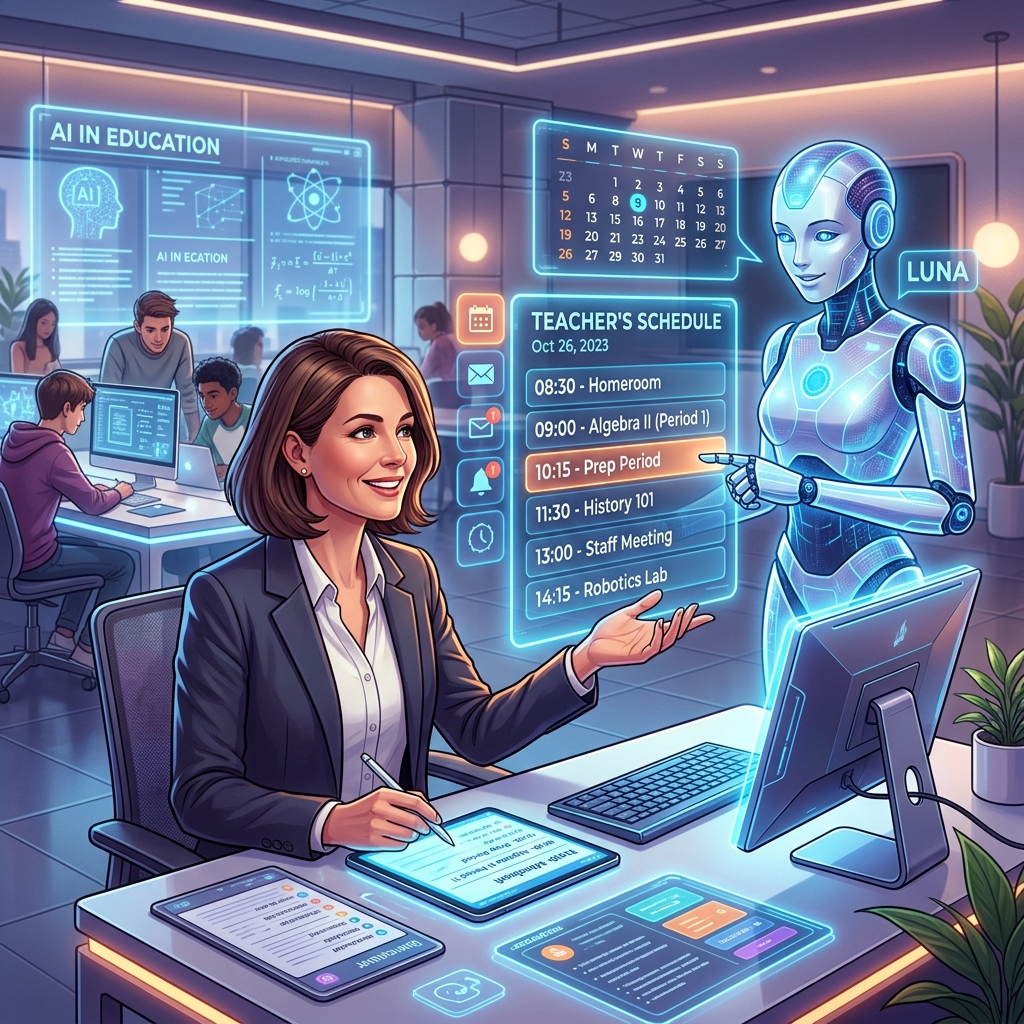
This is a game-changer for discipline. By using the AI Tutor tool on SA Teachers, you can provide personalised support to learners who are struggling. While you are facilitating a group discussion or a fun experiment, a learner who is stuck can use the AI Tutor to get a breakdown of a concept in simpler terms.
When learners feel successful, they are less likely to disrupt. Success is the best discipline tool we have.
5. Assessment as an Engaging Experience
Assessment is often the part of school that learners hate the most, leading to anxiety and "acting out." However, if assessment is transparent and fair, it builds a bridge of trust between the teacher and the learner.
Fairness through the Rubric Creator
Discipline often breaks down when learners feel a grade is "unfair" or "random." By using the Essay Grader & Rubric Creator, you provide learners with a clear roadmap of how they will be judged.
When you return an essay for English First Additional Language (FAL), and the learner sees a detailed rubric that matches the CAPS requirements exactly, they see the logic in their mark. They feel seen and respected, which fosters a more disciplined attitude toward future assignments.

6. The "Hidden Curriculum" of Respect
You cannot have a fun classroom without a foundation of mutual respect. In South Africa, our learners come from various socio-economic backgrounds and cultures. Acknowledging this diversity is key to discipline.
Building Rapport with Better Communication
One often overlooked aspect of discipline is the relationship between the teacher, the learner, and the parent. When parents are involved, learners are more accountable.
The Report Comments Generator on SA Teachers helps you write meaningful, personalised feedback that goes beyond "Good effort." By providing specific feedback on both a learner's academic progress and their classroom conduct, you send a clear message: "I am paying attention to who you are as a person."
When a learner knows you care enough to write a thoughtful report, they are more likely to respect your rules during "fun" activities.
7. Managing the "Energy Peaks"
Every lesson has an energy curve. As a teacher, you must be the "thermostat," not the "thermometer." Don't just react to the heat in the room; set the temperature.
- The Hook (High Energy): Start with a provocative question, a short video, or a quick brain-teaser.
- The Content (Medium Energy): Direct instruction. Use visuals.
- The Application (Variable Energy): This is where the fun happens—simulations, debates, or group work.
- The Cool Down (Low Energy): Reflection, summarising, and packing away.
If you skip the "Cool Down," learners will carry that high energy into the corridors and their next class, which will upset your colleagues and the School Management Team (SMT). Use the last five minutes of every lesson for silent reflection or a quick "check-for-understanding" using a quiz generated by the Exam Generator.
Let’s be honest: an exhausted, burnt-out teacher cannot manage a "fun" classroom. It takes immense mental energy to keep 40+ learners engaged while maintaining order. If you are drowning in admin, you will likely default to the easiest, most boring teaching methods just to survive the week.
This is the core mission of SA Teachers. By using AI tools to handle the time-consuming administrative tasks, you reclaim your time and your passion.
- Worksheet & Exam Generators: Save hours of typing and formatting.
- Essay Grader: Get through that pile of marking in half the time with higher accuracy.
- Lesson Planner: Stop staring at a blank page on Sunday nights.
When you enter the classroom feeling prepared and rested, your "presence" is stronger. Discipline is 80% about teacher presence. If you are calm, confident, and have a clear plan, the learners will follow your lead.
Summary: The Path to a Dynamic Classroom
Making learning fun without losing discipline is not about being a "cool" teacher; it’s about being a prepared teacher. It’s about using the best tools at your disposal to create a structured environment where creativity can flourish.
By integrating the AI-powered tools from SA Teachers, you are not just simplifying your admin; you are creating the headspace necessary to be the engaging, inspiring educator your learners deserve.
Key Takeaways for your next lesson:
- Align everything with CAPS: Use the Lesson Planner to ensure fun always has a purpose.
- Differentiate: Use the AI Tutor to keep every learner challenged and engaged.
- Be Transparent: Use the Rubric Creator so learners understand the "rules of success."
- Save Your Energy: Use the Report Comments and Worksheet Generators to avoid burnout.
The Department of Basic Education provides the framework, but you provide the spark. Let technology handle the "drudgery" so you can focus on the "magic."
Ready to transform your classroom? Explore the full range of AI tools designed specifically for the South African curriculum at sateachers.co.za and start planning your most engaging (and disciplined) term yet!
SA
Dedicated to empowering South African teachers through modern AI strategies, research-backed pedagogy, and policy insights.