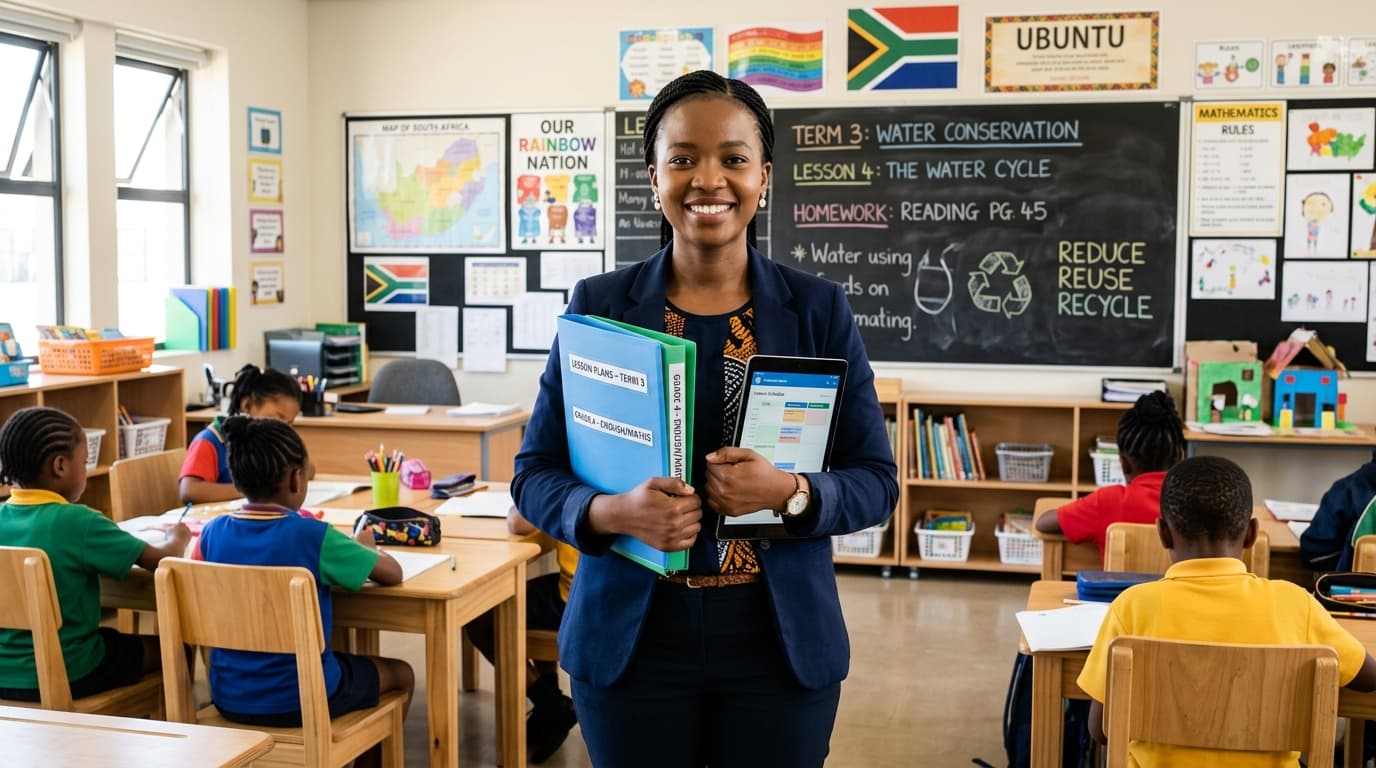
Navigating the vibrant, often boisterous, world of a South African high school classroom can be one of the most rewarding, yet equally challenging, aspects of our profession. As educators dedicated to shaping young minds within the CAPS curriculum framework, we know that effective teaching hinges significantly on a well-managed learning environment. This isn't just about maintaining order; it's about cultivating a space where every learner feels safe, respected, and ready to engage with the curriculum, whether it's understanding complex Mathematical concepts, delving into the nuances of isiXhosa literature, or conducting experiments in Physical Sciences.
For high school teachers in South Africa, classroom management extends beyond basic discipline. It encompasses proactive strategies, strong relationship building, and culturally sensitive approaches that acknowledge the diverse backgrounds and experiences of our learners. This comprehensive guide offers practical, actionable classroom management tips designed to empower you, foster a positive learning atmosphere, and ensure optimal delivery of the CAPS curriculum.
The Foundation: Proactive Strategies for a Calm Classroom
Prevention is always better than cure, especially in a bustling high school environment. Establishing a solid framework from day one can significantly reduce behavioural challenges and allow you to focus more on teaching and learning.
Clear Expectations and Rules
Learners, particularly teenagers, thrive on clarity and consistency. Ambiguity is the enemy of effective classroom management. Your expectations for behaviour should be explicit, understandable, and consistently enforced. When designing your classroom rules, consider aligning them with the broader school code of conduct and even the values espoused by the CAPS curriculum – such as respect, responsibility, and critical thinking.
- Co-create Rules: Involve learners in the process of setting classroom rules. This fosters a sense of ownership and increases adherence. Start the year by asking them what a productive and respectful learning environment looks like and what rules are necessary to achieve it.
- Example: "What does 'respect' look like when we're discussing sensitive historical topics in Grade 11 History?" or "How can we show 'responsibility' when working in groups on a Life Sciences practical?"
- Keep it Simple and Positive: Aim for 3-5 core rules, phrased positively where possible. Instead of "No shouting," try "Speak respectfully to peers and teacher."
- Display Prominently: Post the rules clearly in the classroom. Refer to them regularly, not just when there's a problem.
- Discuss Consequences: Ensure learners understand the logical and consistent consequences of breaking rules. These should be fair and restorative where appropriate, focusing on rectifying the behaviour and understanding its impact.
Establishing Routines and Procedures
High school learners, despite their growing independence, still benefit immensely from structured routines. Predictability reduces anxiety and minimises opportunities for misbehaviour, as learners know exactly what to do and when.
- Entry and Exit Routines: How should learners enter the classroom? What should they do with their bags? How do they begin work? How do they pack up and exit at the end of the period?
- Practical Tip: "As you enter, please place your bags neatly under your desks, take out your English textbooks and notebooks, and begin the starter activity written on the board."
- Transition Management: Moving from one activity to another (e.g., from individual work to group work, or from a lecture to a practical session) can be a common point of disruption.
- Practical Tip: Use clear verbal cues ("Okay, let's transition now"), visual timers, or specific signals (e.g., a bell, a clapped rhythm) to manage transitions smoothly.
- Materials Distribution and Collection: How are textbooks, worksheets, or lab equipment distributed and collected efficiently and fairly?
- Asking Questions and Seeking Help: Establish a clear procedure for learners to ask questions or seek clarification without interrupting the flow of the lesson.
- Using the Bathroom/Leaving the Classroom: Have a consistent and fair system for learners requesting to leave the classroom, balancing their needs with maintaining instructional time.
Physical Classroom Setup
The physical arrangement of your classroom can significantly impact behaviour and learning. Consider how your layout supports your teaching style and encourages positive interactions, while also allowing for easy supervision.
- Visibility: Ensure you can easily see all learners, and they can see the board and you. Avoid "blind spots" where learners might be tempted to disengage or misbehave.
- Accessibility: Arrange desks to allow for easy movement for both you and the learners. This facilitates proximity control and group work.
- Flexibility: Can your classroom layout easily adapt to different activities (e.g., whole-class instruction, small group discussions, individual work, practicals)? Movable desks are a huge asset.
- Organisation: A tidy, well-organised classroom signals a respectful learning environment. Label shelves and storage areas. Encourage learners to take pride in their shared space.
- Stimulating Environment: Display learners' work (with permission), relevant educational posters (e.g., CAPS curriculum content, inspirational quotes, vocabulary lists), and create a vibrant, yet not overly distracting, atmosphere.
Lesson Planning and Engagement
A well-planned, engaging lesson is one of your most powerful classroom management tools. Learners who are actively interested and challenged are less likely to seek external distractions.
- Varied Activities: Incorporate a range of teaching methods – direct instruction, group work, debates, practicals, digital resources, project-based learning. This caters to diverse learning styles and maintains interest.
- Appropriate Pacing: Be mindful of the pace of your lesson. Too slow, and learners become bored; too fast, and they become frustrated. Adjust based on learner feedback and observable engagement levels.
- Relevance: Connect lesson content to learners' lives, current events in South Africa, and their future aspirations. When learners see the purpose and relevance of what they're learning (e.g., the practical applications of Mathematics in everyday life or the historical context of current socio-political issues in SA), their engagement deepens.
- Clear Learning Objectives: Start each lesson by clearly stating what learners will achieve by the end of the period, linking directly to CAPS specific aims and content. This provides focus and direction.
- Anticipate Difficulties: Think ahead about potential challenges or misconceptions learners might encounter with the content and plan how to address them proactively.
Building Relationships: The Heart of Effective Management
While rules and routines provide structure, genuine connection and mutual respect are the bedrock of a positive classroom culture. Relationships built on trust are far more powerful than any disciplinary tactic.
Understanding Your Learners
South Africa's classrooms are rich tapestries of diverse cultures, languages, socio-economic backgrounds, and personal experiences. Taking the time to understand your learners as individuals is crucial.
- Learn Names (and Pronounce Them Correctly!): This simple act shows respect and personal recognition.
- Show Genuine Interest: Ask about their interests, hobbies, and weekend activities (within professional boundaries). Be present and listen when they speak.
- Acknowledge Their Backgrounds: Understand that learners come from different home environments, some facing significant challenges. Be empathetic and flexible where appropriate, without lowering expectations.
- Cultural Sensitivity: Be aware of cultural norms and communication styles that might differ from your own. Avoid making assumptions and be open to learning from your learners.
- Identify Strengths and Weaknesses: Understand individual learning styles and academic needs. Tailor your approach to support each learner's growth within the CAPS framework.
Communication is Key
Open, honest, and respectful communication is vital for managing a high school classroom. This includes both your communication with learners and fostering positive communication among learners themselves.
- Active Listening: When a learner has a concern or is explaining their behaviour, truly listen without immediate judgment. Let them feel heard.
- Clear and Calm Language: When addressing misbehaviour, use a calm, firm, and clear tone. Avoid shouting or confrontational language. Focus on the behaviour, not the person.
- "I" Messages: When providing feedback or addressing an issue, use "I" statements to express how the behaviour impacts you or the learning environment.
- Example: Instead of "You are being disruptive," try "When you talk over your classmates, I find it difficult to ensure everyone hears the instructions, and it impacts our learning time."
- Non-Verbal Communication: Be mindful of your own body language, facial expressions, and eye contact. These can communicate much more than words.
- Open Door Policy (within reason): Let learners know they can approach you with concerns or questions, fostering a sense of psychological safety.
Positive Reinforcement and Recognition
Focusing on positive behaviours helps to reinforce them and build a positive classroom atmosphere. Catching learners doing good encourages them to continue.
- Verbal Praise: Specific and genuine praise is highly effective. Instead of "Good job," try "I appreciate how you helped Sipho understand that difficult concept, Thandi. That shows excellent collaboration."
- Non-Verbal Cues: A nod, a smile, a thumbs-up can acknowledge positive behaviour without interrupting the lesson.
- Public Recognition: Acknowledge effort and achievement in front of the class (e.g., "I want to commend Themba for his insightful question that helped us deepen our understanding of the text today"). Ensure this is done respectfully and doesn't single out learners in a way that makes them uncomfortable.
- Awards and Certificates: For sustained effort or significant improvement, consider small, meaningful awards.
- Communication with Parents/Guardians: Share positive news with home. A call about a learner's excellent contribution or improved behaviour can be incredibly motivating for both the learner and their family.
Navigating Disruptions: Responsive Strategies
Even with the best proactive strategies and relationships, disruptions will occasionally occur. The key is to respond calmly, consistently, and effectively, aiming to redirect behaviour and restore the learning environment.
Non-Verbal Cues and Proximity Control
Lesson Planner
Generate comprehensive, CAPS-aligned lesson plans in seconds.
Often, the mildest interventions are the most effective in nipping minor issues in the bud without interrupting the flow of the lesson.
- The "Teacher Look": A calm, direct look can often be enough to signal to a learner that their behaviour is noticed and needs to stop.
- Proximity: Simply moving closer to a learner who is off-task can be a powerful, non-confrontational way to redirect them. Your presence can be a gentle reminder to focus.
- Gesture: A hand signal (e.g., a finger to the lips for quiet, a pointing gesture back to their work) can be a subtle way to communicate.
- Pause and Wait: If the class is becoming noisy, pause your instruction and wait silently. Maintain eye contact. The silence itself often prompts learners to self-regulate.
De-escalation Techniques
When a situation threatens to escalate, your ability to remain calm and de-escalate is paramount.
- Stay Calm: Your emotional state is contagious. If you become agitated, the situation is likely to worsen. Take a deep breath.
- Speak Privately (if possible): For more significant issues, address the learner away from the rest of the class. This saves face for the learner and prevents a public power struggle.
- Offer a Choice: Give the learner a choice between continuing the disruptive behaviour and facing a consequence, or choosing to comply and return to learning.
- Example: "Thabo, you have a choice: you can put your phone away now and re-join the Maths activity, or I will have to confiscate it for the remainder of the period and call your parents."
- Focus on the Behaviour, Not the Learner: Keep the discussion focused on the specific behaviour and its impact, rather than making it personal.
- Provide Space: Sometimes, a learner needs a moment to cool down. Offer them a designated "calm down" spot in the classroom or a brief break outside the door (supervised if necessary).
Consistent Consequences
Consequences are not about punishment; they are about teaching learners responsibility and understanding the impact of their choices. Consistency is crucial for building trust and ensuring fairness.
- Logical and Related: Consequences should logically relate to the misbehaviour. If a learner wastes class time, part of the consequence might be making up that time. If they damage property, they help repair it.
- Fair, Not Necessarily Equal: "Fair" doesn't always mean "equal." You might apply different consequences based on the learner's history, intent, or specific circumstances, but the process must be perceived as fair.
- Follow Through: Do not make threats you cannot, or will not, keep. Inconsistency undermines your authority and the effectiveness of your rules.
- Restorative Practices: Where appropriate, incorporate restorative justice principles. This involves focusing on repairing harm, taking responsibility, and integrating the learner back into the community.
- Example: Instead of just detention, have learners involved in conflict talk about how their actions affected others and what they can do to make amends.
- Involve School Leadership: For persistent or severe behaviours, escalate the issue according to school policy. This demonstrates that you have support and ensures a consistent approach across the school.
Documenting Incidents
Maintaining accurate records of significant behavioural incidents is vital for several reasons.
- Pattern Recognition: Helps identify recurring behaviours or patterns that might require a different intervention strategy.
- Communication: Provides objective information for discussions with parents/guardians, school counsellors, and school management.
- Legal Protection: Offers a record should there be any formal complaints or disciplinary actions.
- Support: Documents your efforts to manage behaviour, demonstrating that you have followed school protocols and sought support when needed.
Fostering a Positive Learning Culture
Beyond managing individual behaviours, our ultimate goal is to cultivate a classroom culture where learners take ownership of their learning and contribute positively to the community. This aligns perfectly with the CAPS focus on developing responsible and engaged citizens.
Promoting Learner Ownership and Responsibility
Empowering learners to take responsibility for their own learning and behaviour is a powerful strategy.
- Give Choices: Provide opportunities for learners to make choices within limits (e.g., "Would you prefer to work on this essay individually or with a partner?", "Which of these two extension activities would you like to tackle?").
- Delegate Responsibilities: Assign classroom jobs (e.g., materials manager, technology assistant, peer tutor) to foster a sense of contribution and importance.
- Self-Assessment and Reflection: Encourage learners to reflect on their own behaviour and academic progress. What could they have done differently? How can they improve next time?
- Problem-Solving Skills: When conflicts arise between learners, guide them through problem-solving steps rather than always stepping in to resolve it for them.
Cultivating a Respectful and Inclusive Environment
South Africa's diverse context makes it imperative to create a classroom where every learner feels valued, regardless of their background, language, or ability. This is fundamental to effective CAPS delivery, which champions inclusivity.
- Celebrate Diversity: Actively incorporate diverse perspectives, cultures, and languages into your lessons where appropriate. Recognise different cultural celebrations.
- Address Bias and Discrimination: Challenge any form of prejudice, bullying, or discrimination immediately and decisively. Educate learners on the importance of respect and empathy.
- Inclusive Language: Use language that is inclusive and respectful of all learners.
- Collaborative Learning: Design activities that encourage positive interaction and collaboration among learners from different groups, fostering mutual understanding and respect.
- Safe Space for Expression: Create an environment where learners feel safe to express their opinions, even if they differ from others, provided it's done respectfully.
Emotional Intelligence in the Classroom
Helping learners develop emotional intelligence—understanding and managing their own emotions and recognising the emotions of others—is a lifelong skill and a powerful aid to classroom management.
- Model Emotional Regulation: Demonstrate calm and composure, especially when faced with challenging situations.
- Teach Emotion Vocabulary: Help learners identify and name their feelings.
- Empathy Training: Encourage learners to consider others' perspectives and feelings. Role-playing scenarios can be effective.
- Conflict Resolution Skills: Explicitly teach strategies for resolving disagreements peacefully and constructively.
Self-Care for the Educator
Finally, none of these strategies can be sustained if you, the teacher, are burnt out. Effective classroom management begins with a well-resourced and emotionally resilient educator.
Managing Teacher Stress and Burnout
The demands on high school teachers in South Africa are immense. Prioritising your well-being is not a luxury; it's a necessity for sustained effectiveness.
- Set Boundaries: Learn to say no. Don't take on every extra task or committee unless you genuinely have the capacity.
- Prioritise and Delegate: Focus on the most important tasks. If possible, delegate minor responsibilities to learners or colleagues.
- Take Breaks: Step away from the classroom during your break times. Get some fresh air, have a cup of tea, and disconnect for a few minutes.
- Mindfulness and Relaxation: Incorporate short mindfulness exercises or relaxation techniques into your daily routine.
- Pursue Hobbies Outside of School: Maintain interests and activities that bring you joy and help you de-stress.
- Healthy Lifestyle: Ensure you're eating nutritious food, getting enough sleep, and engaging in regular physical activity.
Seeking Support and Collaboration
You are not alone in this journey. Leaning on your colleagues and the school community is a sign of strength, not weakness.
- Mentor/Mentee Relationships: If you're a new teacher, seek out an experienced mentor. If you're experienced, consider mentoring a junior colleague.
- Professional Learning Communities (PLCs): Engage actively in PLCs within your school or cluster. Share challenges, brainstorm solutions, and celebrate successes with your peers. Discussing classroom management strategies within the CAPS context can be incredibly beneficial.
- School Leadership and Support Staff: Don't hesitate to involve HODs, school counsellors, or principals when faced with persistent or complex behavioural issues. They are there to support you.
- Teacher Unions and Associations: Utilise the resources and support offered by professional organisations for educators in South Africa.
- Parent-Teacher Communication: Build strong relationships with parents/guardians. They are your partners in supporting their children's learning and behaviour.
Effective classroom management is a dynamic and ongoing process, a dance between proactive planning and responsive action. For South African high school teachers navigating the complexities of the CAPS curriculum and diverse learner needs, it's a skill that evolves with experience and reflection. By implementing these practical strategies – from establishing clear routines and building authentic relationships to responding calmly to disruptions and prioritising your own well-being – you create a powerful learning environment. A well-managed classroom isn't just a quiet one; it's a vibrant, respectful space where every learner feels empowered to grow, learn, and reach their full potential, ensuring the rich content of the CAPS curriculum truly comes alive. Keep learning, keep adapting, and most importantly, keep nurturing those young minds.
Tyler. M
Dedicated to empowering South African teachers through modern AI strategies, research-backed pedagogy, and policy insights.